

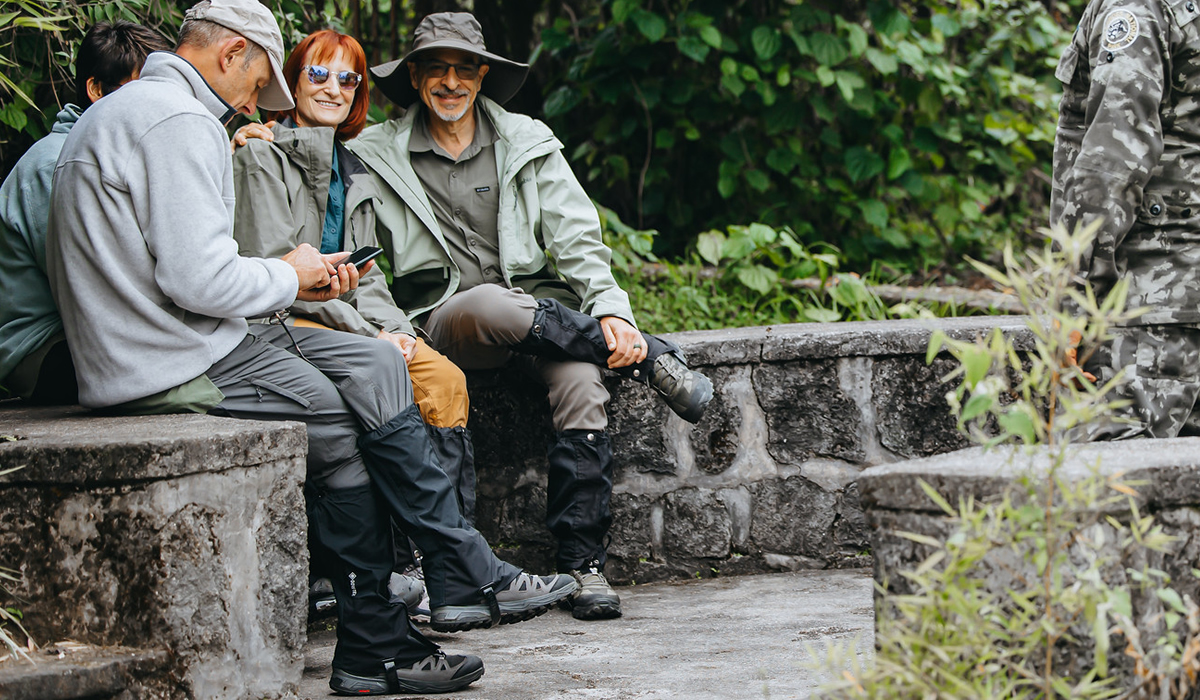
Gorilla Trekking is one of the most thrilling wildlife adventures in Africa. Every year, thousands of tourists visit Uganda to hike through dense rainforest in search of endangered mountain gorillas. While the experience is unforgettable, proper preparation plays a major role in ensuring comfort and safety during the trek. One of the most important aspects of preparation is knowing exactly what to wear. This guide explains what to wear for Gorilla Trekking in Uganda, helping tourists prepare for a successful and enjoyable experience in the rainforest.
The forests where gorillas live are often humid, muddy, and covered with thick vegetation. Trekking conditions can change quickly depending on weather, altitude, and terrain. Dressing appropriately allows tourists to move comfortably through the forest while protecting themselves from insects, thorny plants, and unpredictable weather.
Understanding the Gorilla Trekking Environment
Before choosing what to wear, it is important for tourists to understand the trekking environment in Uganda. Most gorilla trekking takes place in Bwindi Impenetrable National Park, a dense tropical rainforest known for its steep hills, thick vegetation, and high humidity.
Another trekking destination is Mgahinga Gorilla National Park, which sits on the slopes of the Virunga volcanoes and features bamboo forests and mountain terrain.
In both parks, tourists may hike for several hours through muddy trails, climb steep slopes, and pass through dense undergrowth. Rain can fall unexpectedly even during dry seasons, and temperatures vary depending on altitude and time of day.
Because of these conditions, wearing the right clothing and footwear helps ensure tourists stay comfortable while navigating the forest environment.
Long-Sleeved Shirts for Protection
A long-sleeved shirt is one of the most important clothing items for gorilla trekking. Forest trails often pass through thick vegetation where branches, thorns, and stinging plants can scratch exposed skin.
Wearing a lightweight long-sleeved shirt protects arms from cuts and insect bites while allowing the body to stay cool in humid conditions. Breathable fabrics such as cotton blends or moisture-wicking materials are ideal because they keep tourists comfortable during long hikes.
Neutral colours like green, brown, or khaki are recommended because they blend naturally with the forest environment. Bright colours may attract insects and are generally discouraged by guides.
Durable Trekking Trousers
Tourists should wear strong trekking trousers rather than shorts when visiting Bwindi Impenetrable National Park or Mgahinga Gorilla National Park. Long trousers protect the legs from scratches, insects, and thorny plants encountered along forest trails.
Lightweight hiking trousers designed for outdoor activities work best because they provide flexibility and ventilation. Quick-drying fabrics are also helpful since rain showers are common in rainforest environments.
Some tourists tuck their trousers into their socks to prevent insects such as safari ants from crawling inside clothing. This simple trick can greatly improve comfort during the trek.
Sturdy Hiking Boots
One of the most essential pieces of gear for gorilla trekking is a good pair of hiking boots. Trails inside Bwindi Impenetrable National Park are often steep and muddy, especially after rainfall.
Hiking boots should have strong grip soles that provide traction on slippery slopes and uneven terrain. Waterproof boots are highly recommended because forest trails frequently contain mud, streams, and wet vegetation.
Comfort is equally important. Tourists should wear boots that are already broken in rather than brand new footwear, which may cause blisters during long hikes.
Proper footwear makes trekking safer and allows tourists to focus on enjoying the adventure rather than worrying about unstable footing.
Waterproof Jacket or Rain Gear
Rain can occur at any time in Uganda’s tropical forests, even during the dry season. Carrying a lightweight waterproof jacket is therefore essential when trekking for gorillas.
A rain jacket protects tourists from sudden downpours and helps keep clothing dry throughout the hike. Since trekking may take several hours, staying dry is important for maintaining comfort and body temperature.
Many tourists prefer breathable rain jackets that prevent overheating during physical activity. Compact jackets that fold easily into a backpack are especially convenient.
Gardening Gloves for the Trek
An item many first-time tourists overlook is a pair of lightweight gardening gloves. During gorilla trekking, guides sometimes lead groups through thick vegetation where tourists must hold onto branches or push aside plants.
Gloves protect hands from thorns, rough bark, and stinging plants while climbing steep slopes or navigating narrow paths. They also provide better grip when using branches for support.
Simple gardening gloves or lightweight trekking gloves are sufficient and easy to pack in a day backpack.
Comfortable Hiking Socks
Comfortable socks are essential for a successful gorilla trekking experience. Thick hiking socks provide cushioning and help prevent blisters during long walks through the forest.
Moisture-wicking socks are particularly useful because they keep feet dry even in humid conditions. Since trekking trails can become muddy, wearing socks that extend above the ankle also helps protect against insects.
Some tourists prefer bringing an extra pair of socks to change into after the trek, especially if their boots become wet.
Hat for Sun and Rain Protection
Although much of the trekking route passes under forest canopy, there are open areas where sunlight can be strong. A lightweight hat protects tourists from both sun exposure and light rain.
Wide-brim hats provide shade for the face and neck, while caps offer a simpler alternative that fits easily in a backpack when not needed.
In higher altitude areas of Mgahinga Gorilla National Park, temperatures can be cooler, so a warm hat may also be useful during early morning briefings before trekking begins.
Neutral Colours and Why They Matter
Choosing the right colours for trekking clothing is often recommended by park guides and conservation authorities.
Neutral colours such as green, brown, beige, and khaki blend well with the natural forest environment and avoid attracting unnecessary attention from wildlife.
Bright colours or strong perfumes may attract insects, which are common in tropical forests. Dark blue and black colours can also attract certain biting insects, so earthy tones are generally the safest option.
Dressing in natural colours allows tourists to move quietly through the forest while minimising disturbance to wildlife.
What to Carry in a Trekking Backpack
In addition to proper clothing, tourists should carry a small backpack with essential items for the trek.
A reusable water bottle is important for staying hydrated during the hike. Energy snacks such as fruit, nuts, or protein bars help maintain energy levels during long treks.
Sunscreen and insect repellent are also useful, especially in open sections of the forest. A small camera or smartphone is recommended for capturing photos once the gorillas are located.
Many tourists also carry a lightweight rain cover for their backpacks to protect personal items during sudden rain showers.
Hiring a Porter for Extra Support
At the trekking starting points in Bwindi Impenetrable National Park and Mgahinga Gorilla National Park, tourists have the option to hire local porters.
Porters assist by carrying backpacks, providing support on steep trails, and helping tourists navigate difficult terrain. Their assistance can make a significant difference, especially during challenging treks.
Hiring a porter also supports local communities living near the national parks, contributing directly to conservation and sustainable tourism initiatives.
Weather Considerations During Gorilla Trekking
Uganda’s climate varies depending on altitude and season. Even during dry months, rainforest environments remain humid and unpredictable.
Morning briefings often begin in cool temperatures before the sun rises. As trekking continues, the forest can become warmer and more humid.
Layered clothing works best because tourists can easily adjust depending on temperature changes throughout the day.
Being prepared for both rain and sunshine ensures tourists remain comfortable regardless of changing weather conditions.
Comfort and Safety During the Gorilla Encounter
Once the gorillas are located, tourists spend one hour observing them quietly in their natural habitat. During this time, proper clothing continues to play an important role.
Long sleeves and trousers protect against insects while sitting or standing near vegetation. Good footwear ensures stable footing on forest ground, which may be uneven or muddy.
Maintaining comfort allows tourists to focus fully on the incredible moment of watching a family of endangered Mountain Gorilla interacting in the wild.
Preparing the right clothing for gorilla trekking in Uganda can make the difference between a challenging hike and an enjoyable adventure. From sturdy hiking boots and long trousers to waterproof jackets and gloves, each item plays an important role in navigating the rainforest environment safely.
The forests of Bwindi Impenetrable National Park and Mgahinga Gorilla National Park offer one of the most remarkable wildlife experiences in the world. By dressing appropriately and preparing for changing weather and terrain, tourists can fully immerse themselves in the adventure.
With guidance from experienced safari operators such as Verdant Safaris, tourists can plan their gorilla trekking journey with confidence, knowing they are well prepared to enjoy one of Africa’s most unforgettable wildlife encounters.