

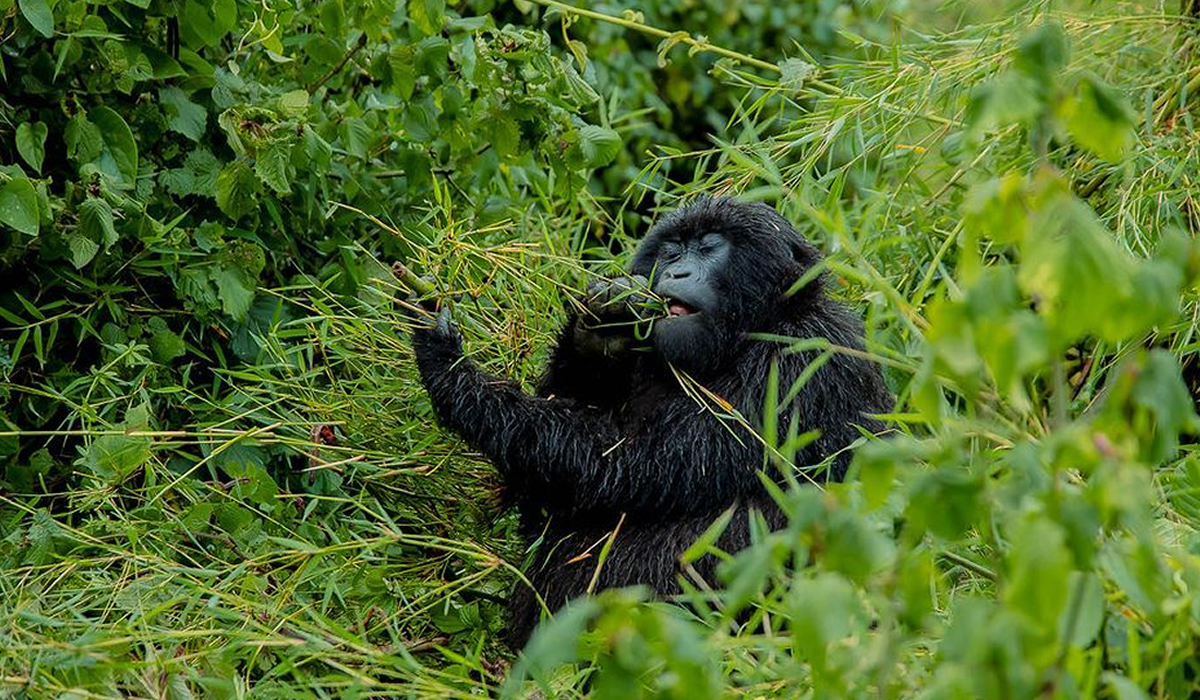
If you are dreaming of trekking mountain gorillas in Rwanda’s mist-shrouded forests, one of the most important pieces of information you need before you book your trip is the Rwanda gorilla permit price. Gorilla trekking is one of the most sought-after wildlife experiences on the planet, offering unforgettable up-close encounters with critically endangered mountain gorillas in their natural habitat. Because these animals are rare and vulnerable, Rwanda has developed a carefully managed permit system that supports their protection, rewards local communities, and preserves the fragile ecosystems they depend on. In this guide, we break down everything you need to know about gorilla permit costs, how the pricing works, what it includes, how and where to book, and tips to plan your trek with Verdant Safaris.
What Is a Gorilla Permit and Why It Matters
Before discussing the costs, it’s important to understand what a gorilla permit is. A gorilla permit is an official authorisation issued by the Rwanda Development Board (RDB) that gives you legal access to track and observe habituated mountain gorilla families in Volcanoes National Park, Rwanda’s premier destination for gorilla trekking. Without this permit, you cannot participate in a gorilla trek. The fee plays a vital role in funding conservation programs, supporting rangers and trackers, protecting habitats, and delivering direct benefits to the communities living around the park. Limited daily permits ensure the experience remains sustainable and low-impact, and most safari travellers recommend booking well in advance to secure your spot.
Rwanda Gorilla Permit Price – Standard Fees
As of the current policy, the standard gorilla trekking permit price in Rwanda for most international visitors is USD 1,500 per person. This figure is fixed by the Rwanda Development Board and covers entry to Volcanoes National Park, the services of trained guides and trackers, and one hour of close-up time with a habituated gorilla family during the trek.
Although this cost might seem high compared to other safari components, it reflects the extraordinary nature of the experience and the conservation value it generates. Since the number of permits is strictly capped at 96 per day, early bookings are essential, especially if you plan to travel during peak safari months.
Discounted and Differential Permit Rates
Rwanda also offers differential pricing to make gorilla trekking more accessible for residents and regional visitors, including:
- East African Community (EAC) citizens – around USD 200
- Foreign residents in Rwanda or other African countries – about USD 500
- Rwandan nationals – typically USD 200
These discounted rates recognize the economic realities of regional travelers and allow broader participation in this unique wildlife experience.
In addition, Rwanda periodically offers low-season discounts for non-African visitors. For example, a 30 percent discount may be available in the off-peak period (often November to May) if you include stays and activities in other national parks like Nyungwe Forest National Park or Akagera National Park as part of your itinerary. That can reduce the standard permit fee to around USD 1,050. There are also occasional 15 percent discounts for conference or MICE (Meetings, Incentives, Conferencing, Exhibitions) travellers.
What the Permit Includes
When you pay for a gorilla permit in Rwanda, here’s what’s typically included:
- Entry to Volcanoes National Park for gorilla trekking
- Services of park rangers and professional gorilla guides
- Support from trackers who help locate gorilla families
- Conservation and habitat protection fees
- One full hour observing gorillas in the wild
What it does not include are your accommodation, domestic flights, meals (unless part of a package), transport to the park, or optional porter services to assist on steep terrain. These are arranged separately, usually through your tour operator or safari planner.
How to Book Your Gorilla Permit
There are two main pathways to secure your permit:
- Directly through the Rwanda Development Board (RDB) – You can visit the RDB tourism portal or contact their reservation team by email. You will typically be asked to provide your passport details, preferred trek date, and payment confirmation before receiving the official permit.
- Through a licensed tour operator – Many travellers find it easier to have their tour company handle the permit booking, especially when planning a full safari itinerary with accommodations and ground transportation included. Tour operators often manage deadlines, availability checks, and paperwork so you can focus on planning your trip’s other details.
Timing Matters – When to Book and Best Seasons
Gorilla permits in Rwanda are limited and in high demand year-round, particularly during the dry seasons from June to September and December to February when trails are easier, and wildlife viewing conditions are generally better. Travellers are advised to book their permits 6 to 12 months in advance, especially if you’re targeting peak travel months or planning as a group.
Even in low season, early reservations are smart because the total number of gorilla permits remains capped daily. Booking early gives you better flexibility with travel dates and often better deals on accommodations near Volcanoes National Park.
Additional Tips for Gorilla Trekking Planning
- Minimum age requirement: Gorilla trekking in Rwanda typically requires participants to be at least 15 years old. This is a rule enforced at the park headquarters on the trek day.
- International travel planning: Most travellers start their journey in Kigali, Rwanda’s capital, and then travel north to Musanze or Kinigi, the gateways to Volcanoes National Park. Musanze is about a 2-3 hour drive from Kigali.
- Gear and preparation: Trekking mountain gorillas involves hiking through forests and hills. It’s wise to bring waterproof hiking boots, layered clothing, insect repellent, plenty of water, and protection from sun and rain. Porters can be hired locally on the day of the trek to help carry gear.
- Plan the whole safari experience: Many visitors pair gorilla trekking with other Rwanda highlights, such as chimpanzee tracking in Nyungwe Forest, wildlife safaris in Akagera, or cultural tours in Kigali. Packages that combine activities can offer richer experiences and, at times, permit discounts.
Why Gorilla Permit Costs Are Worth It
The permit cost may seem significant, but it fuels the very conservation and community support that make gorilla trekking possible. The fees help pay local rangers, support anti-poaching patrols, maintain trails, fund anti-disease protocols to protect gorillas from human illnesses, and provide revenue to villages where local people benefit from tourism jobs and community programs. Without this financial model, mountain gorilla populations might struggle to recover, and sustainable tourism would be far more difficult to sustain.
At Verdant Safaris, we believe that gorilla trekking is more than a single activity in a trip; it is an unforgettable encounter with one of Earth’s most remarkable species and a meaningful contribution to conservation and local livelihoods. By understanding the Rwanda gorilla permit price, how it works, and what it includes, you can better plan your safari, manage your travel budget, and ensure that your dream of watching mountain gorillas become a reality.