

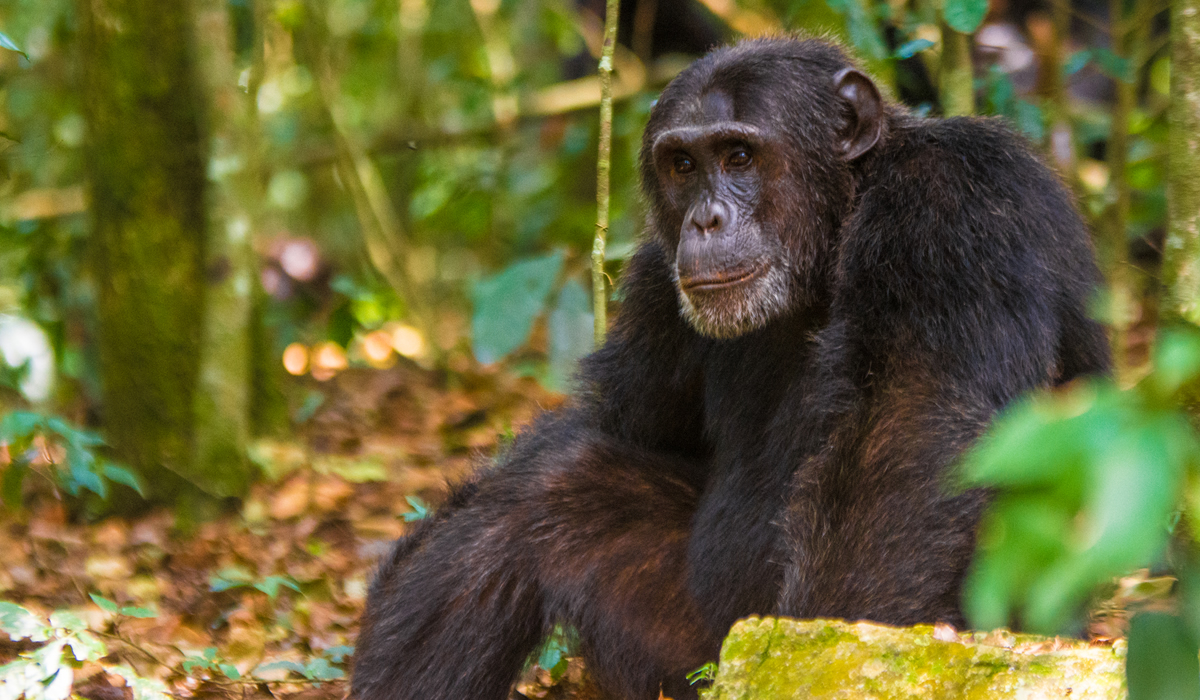
Chimpanzee Trekking in Kibale Forest is one of the most exciting wildlife experiences available in East Africa. Deep within the lush rainforests of western Uganda lies one of the best places in the world to observe wild chimpanzees in their natural habitat. For tourists seeking an authentic primate encounter during their African safari, trekking through the forest in search of these intelligent and energetic animals is an unforgettable adventure.
The best location for this experience is Kibale National Park, a remarkable rainforest ecosystem often referred to as the primate capital of the world. With one of the highest densities of primates in Africa, the park offers exceptional opportunities to see chimpanzees and many other species that inhabit its diverse landscape.
For tourists planning a safari with Verdant Safaris, chimpanzee trekking in Kibale Forest is an exciting activity that perfectly complements other experiences such as gorilla trekking and classic wildlife safaris. Understanding what to expect during the trek helps visitors prepare and fully enjoy the adventure.
Discovering Kibale National Park
Kibale National Park is located in western Uganda near the foothills of the Rwenzori Mountains. Covering approximately 795 square kilometres, the park protects a beautiful tropical rainforest filled with towering trees, dense vegetation, and a remarkable diversity of wildlife.
The park is internationally recognised for its extraordinary primate population. Researchers and conservationists have identified more than 13 species of primates living in this forest, making it one of the most important primate habitats in Africa.
Among these species, the most famous resident is the Chimpanzee. Kibale hosts one of the largest populations of chimpanzees in East Africa, with several groups that have been habituated to human presence. Habituation allows tourists to observe the chimpanzees safely while minimising disturbance to their natural behaviour.
In addition to primates, Kibale Forest is home to hundreds of bird species, forest elephants, butterflies, and countless other animals that thrive in this vibrant ecosystem.
What Is Chimpanzee Trekking?
Chimpanzee trekking is a guided forest walk where tourists search for habituated chimpanzee groups under the supervision of experienced rangers. Unlike traditional game drives, this activity involves walking through the forest on foot while following signs and sounds that indicate the presence of chimpanzees.
Every morning, tracking teams from the Uganda Wildlife Authority venture into the forest to locate chimpanzee communities. Once their location is identified, trekking groups are guided along forest trails to observe them in their natural environment.
The trek itself may last anywhere from one to three hours depending on where the chimpanzees are located that day. Once the group is found, tourists are allowed to spend one hour observing their fascinating behaviours.
Watching chimpanzees interact with each other, communicate through calls and gestures, and move skillfully through the forest canopy is both thrilling and educational.
The Morning Briefing and Preparation
Chimpanzee trekking usually begins early in the morning at the visitor centre in Kibale National Park. Tourists gather for a briefing conducted by park rangers from the Uganda Wildlife Authority.
During this session, guides explain the rules of chimpanzee trekking, provide safety instructions, and share interesting facts about chimpanzee behaviour and conservation. Tourists are divided into small groups and assigned a guide who will lead them through the forest.
The briefing is also an opportunity for tourists to ask questions and learn about the environment they are about to explore. Guides often provide insights about other wildlife that may be encountered along the way.
Trekking Through the Rainforest
The adventure begins as tourists follow their guide into the forest trails of Kibale National Park. The walk itself is a memorable experience as the rainforest reveals its incredible biodiversity.
The forest floor is covered with thick vegetation while giant trees rise high above the canopy. Along the way, tourists may hear birds calling, monkeys moving through the branches, and insects buzzing in the humid air.
Several primate species can often be seen during the trek even before reaching the chimpanzees. These may include red colobus monkeys, black and white colobus monkeys, and grey cheeked mangabeys.
The guides rely on both experience and communication with trackers to determine the location of the chimpanzees. Sometimes the sound of loud chimpanzee calls echoes through the forest, signalling that the group is nearby.
Encountering the Chimpanzees
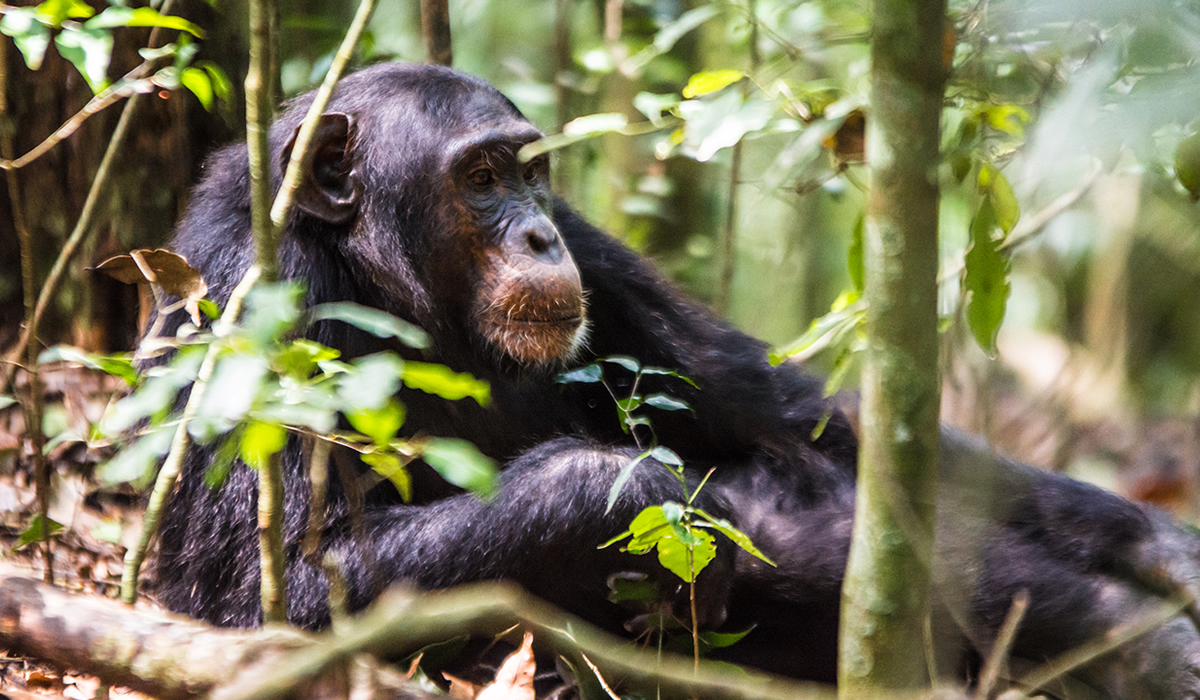
The moment tourists encounter a group of Chimpanzee is often filled with excitement and curiosity. Unlike gorillas, chimpanzees are extremely active animals that move quickly through the forest.
They may be seen climbing trees, swinging from branches, or walking along the forest floor in search of food. Their diet includes fruits, leaves, insects, and occasionally small animals.
Chimpanzees are also highly social creatures with complex family structures. During the observation hour, tourists might witness playful interactions between young chimps, grooming behaviour among adults, or vocal communication between members of the group.
Their expressive faces, intelligent eyes, and human-like gestures make the encounter feel surprisingly familiar.
Photography and Observation Tips
Capturing photos of chimpanzees can be challenging because they move quickly and often remain high in the trees. Tourists should bring cameras with fast shutter speeds and zoom lenses to improve their chances of capturing clear images.
However, it is equally important to spend time simply observing the chimpanzees rather than focusing entirely on photography. The opportunity to watch their natural behaviour up close is rare and deeply rewarding.
Tourists are also encouraged to keep a respectful distance and follow the guide’s instructions to ensure the animals remain comfortable.
Rules for Responsible Chimpanzee Trekking
Chimpanzee trekking follows strict guidelines designed to protect both tourists and wildlife. Visitors must maintain a safe distance from the chimpanzees and avoid sudden movements or loud noises.
Flash photography is not allowed because it can disturb the animals. Tourists who are sick with respiratory illnesses may not be allowed to participate in trekking activities since chimpanzees are susceptible to human diseases.
These rules ensure that tourism remains sustainable while safeguarding the health of chimpanzee populations in Kibale National Park.
What to Wear and Bring
Preparing the right clothing and equipment can greatly enhance the trekking experience. Tourists should wear long trousers and long sleeved shirts to protect against insects and forest vegetation.
Sturdy hiking boots with good grip are recommended because forest trails may be muddy or slippery. A lightweight rain jacket is also useful since weather conditions in tropical forests can change quickly.
Tourists should bring drinking water, energy snacks, insect repellent, sunscreen, and a small backpack to carry personal items.
Being well prepared ensures comfort throughout the trek.
Best Time for Chimpanzee Trekking
Chimpanzee trekking in Kibale National Park is available throughout the year, but some seasons provide slightly better trekking conditions.
The dry seasons, typically between June and September and again from December to February, are often considered the best times for trekking. During these months, forest trails are easier to navigate and rainfall is less frequent.
However, chimpanzee sightings remain excellent year round. Even during the rainy season, the forest becomes lush and vibrant, offering beautiful scenery and fewer tourists.
Combining Chimpanzee Trekking with Other Safaris
Chimpanzee trekking in Kibale National Park fits perfectly into a broader Ugandan safari itinerary.
Many tourists combine this experience with wildlife viewing in Queen Elizabeth National Park, which is located nearby. The park is famous for its tree climbing lions, large elephant herds, and scenic boat cruises along the Kazinga Channel.
Another popular combination is gorilla trekking in Bwindi Impenetrable National Park. Experiencing both chimpanzees and gorillas during one safari creates a remarkable primate adventure.
These combined experiences allow tourists to explore Uganda’s incredible biodiversity and landscapes.
Conservation and Community Impact
Chimpanzee tourism contributes significantly to conservation efforts in Kibale National Park. Permit fees support wildlife protection, research initiatives, and park management programs.
Local communities surrounding the park also benefit from tourism through employment opportunities, guiding services, and cultural experiences offered to visitors.
By participating in chimpanzee trekking, tourists help support long term conservation efforts while promoting sustainable tourism that benefits both wildlife and local communities.
Chimpanzee trekking in Kibale National Park is an exciting and educational experience that offers tourists a rare opportunity to observe one of humanity’s closest relatives in the wild.
From the moment visitors step into the rainforest until they encounter a lively chimpanzee group moving through the trees, every part of the journey is filled with discovery and wonder.
For tourists planning a safari with Verdant Safaris, adding chimpanzee trekking to the itinerary creates a deeper connection with Uganda’s remarkable wildlife and natural beauty.
With proper preparation and an adventurous spirit, chimpanzee trekking in Kibale Forest becomes a highlight of any African safari experience.