

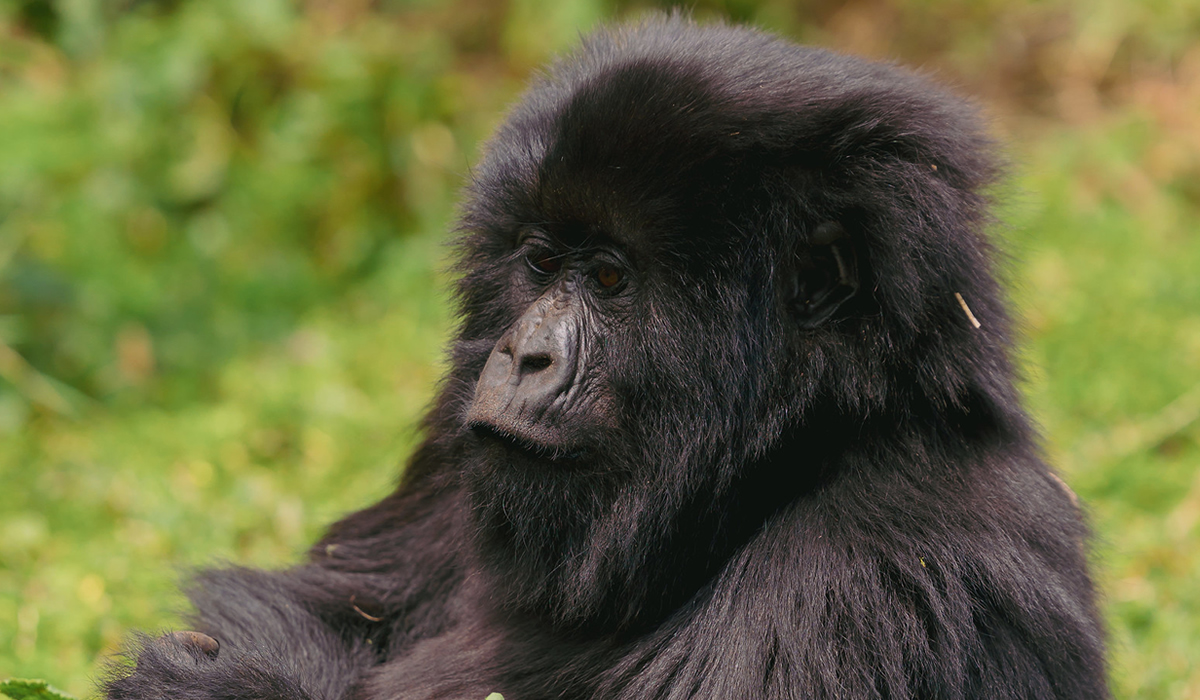
Gorilla Trekking is one of the most extraordinary wildlife adventures in Africa. Each year, thousands of tourists visit Uganda with the dream of encountering a family of endangered mountain gorillas in the wild. Standing quietly in a rainforest while these powerful yet gentle animals move around just a few metres away is an experience that few wildlife encounters can match. However, many tourists planning this adventure often ask the same question before booking their safari, how difficult is gorilla trekking in Uganda? The idea of hiking through dense rainforest in mountainous terrain can sound intimidating, especially for those who do not regularly hike.
The good news is that while gorilla trekking can be physically demanding at times, it is manageable for most tourists with a reasonable level of fitness. Understanding the terrain, trekking conditions, and how the experience is organised helps visitors prepare for the adventure and enjoy it fully.
Where Gorilla Trekking Takes Place in Uganda
Gorilla trekking in Uganda takes place in two national parks that protect the endangered Mountain Gorilla.
The most famous destination is Bwindi Impenetrable National Park, a vast tropical rainforest located in southwestern Uganda. The park is home to nearly half of the world’s remaining mountain gorilla population and contains numerous habituated gorilla families that tourists can visit.
Another trekking destination is Mgahinga Gorilla National Park, which lies within the Virunga mountain range along the borders of Rwanda and the Democratic Republic of Congo.
Both parks feature rugged terrain, dense forest vegetation, and high altitude landscapes that create a unique trekking environment.
Understanding the Gorilla Trekking Experience
Before assessing the difficulty level, it is helpful to understand what the gorilla trekking experience involves. Every trekking day begins with a morning briefing led by rangers from the Uganda Wildlife Authority.
During this briefing, tourists are divided into small groups and assigned a specific gorilla family to track. Experienced trackers usually go ahead into the forest earlier in the morning to locate the gorillas and communicate their position to the guides.
Tourists then follow their guide through forest trails, sometimes climbing hills, crossing streams, or walking through thick vegetation in search of the gorillas.
The time required to locate the gorillas varies. In some cases, the group may be found within an hour of entering the forest. On other days, the trek may last several hours depending on how far the gorillas have moved.
Once the gorillas are located, tourists are allowed to spend one hour observing them in their natural habitat.
Terrain and Forest Conditions
One of the main factors influencing the difficulty of gorilla trekking is the terrain. The forests of Bwindi Impenetrable National Park are known for steep hills, deep valleys, and dense vegetation.
The name “Impenetrable” reflects the thickness of the forest, where vines, shrubs, and tall trees create a lush but challenging environment for hiking.
Trails may be muddy, slippery, or uneven, particularly after rainfall. Guides sometimes use machetes to clear paths through thick vegetation as tourists follow behind.
In Mgahinga Gorilla National Park, the terrain includes volcanic slopes covered with bamboo forests and montane vegetation. While still challenging, the vegetation in some areas is less dense than in Bwindi.
Despite these conditions, guides carefully choose routes that are manageable for trekking groups.
Trekking Distance and Duration
Another factor that affects the perceived difficulty of gorilla trekking is the distance covered during the hike.
Unlike standard hiking trails with fixed routes, gorilla trekking paths change daily depending on the movement of the gorilla families. Because the animals roam freely within the forest, their location can vary significantly from one day to the next.
Some treks may involve only short hikes of one to two hours before locating the gorillas. Other treks can take longer, occasionally lasting four to six hours in total including the return journey.
While this unpredictability adds excitement to the experience, it also means tourists should be prepared for a moderate physical challenge.
Altitude and Climate
Altitude is another element that influences the difficulty of gorilla trekking. The forests where gorillas live are located at elevations ranging between 1,200 and over 2,500 metres above sea level.
For tourists who are not used to high altitude environments, walking uphill in these conditions may feel more strenuous than expected.
The tropical climate also plays a role. Rainfall is common in these forests, and humidity levels can be high. Even during dry seasons, sudden rain showers may occur.
Wearing appropriate clothing and pacing the trek properly helps tourists adapt to these environmental conditions.
How Guides Make the Trek Easier
Fortunately, gorilla trekking is carefully organised to ensure that most tourists can successfully complete the experience. Guides from the Uganda Wildlife Authority are highly experienced and know the forest terrain well.
They maintain a comfortable pace for the group and provide assistance when navigating steep slopes or challenging sections of trail.
Tourists are also encouraged to take breaks whenever needed. The goal is not to rush through the forest but to enjoy the journey while safely reaching the gorillas.
In addition, trekking groups are often assigned based on age and physical ability. Tourists who prefer shorter hikes can sometimes be allocated gorilla families that are known to stay closer to the park headquarters.
The Role of Local Porters
One of the best ways to make gorilla trekking easier is by hiring a porter. Porters are local community members who accompany tourists during the trek and assist with carrying backpacks or providing support on steep trails.
At the start of the trek in Bwindi Impenetrable National Park and Mgahinga Gorilla National Park, tourists have the opportunity to hire these porters for a small fee.
In addition to making the trek more comfortable, hiring a porter supports local communities and contributes to sustainable tourism in the region.
Physical Fitness Requirements
A common misconception is that gorilla trekking requires exceptional athletic ability. In reality, most tourists with average fitness levels are capable of completing the trek.
Individuals who regularly walk, hike occasionally, or engage in light exercise generally find the experience manageable.
However, preparing for the trek with some basic fitness activities can help improve comfort and endurance. Walking, climbing stairs, or taking nature hikes before the safari can help build stamina.
Tourists who have medical conditions or mobility concerns should consult their tour operator in advance so that appropriate arrangements can be made.
What to Wear for Gorilla Trekking
Proper clothing plays a major role in making the trek easier and more comfortable. Tourists should wear sturdy hiking boots with strong grip to navigate muddy or uneven trails.
Long trousers and long sleeved shirts are recommended to protect against insects and forest vegetation. A waterproof jacket is essential because rain showers can occur at any time in tropical forests.
Lightweight gloves are also helpful for gripping branches while climbing steep sections of trail.
Dressing appropriately ensures that tourists can move comfortably through the forest environment.
The Reward at the End of the Trek
Although gorilla trekking can involve physical effort, the reward at the end makes every step worthwhile. When tourists finally encounter a family of Mountain Gorilla in the wild, the experience becomes unforgettable.
Watching a massive silverback calmly observing his surroundings, seeing playful juveniles climbing trees, or witnessing mothers caring for their infants creates a powerful emotional moment.
Tourists are allowed to spend one hour observing the gorillas from a safe distance, capturing photographs and simply appreciating their natural behaviour.
For most visitors, the excitement of this encounter quickly makes them forget the effort required to reach the gorillas.
Combining Gorilla Trekking with Other Safari Experiences
Many tourists combine gorilla trekking with other safari experiences across Uganda.
After trekking in Bwindi Impenetrable National Park, visitors often travel to Queen Elizabeth National Park to enjoy classic Savannah wildlife viewing with elephants, lions, and buffalo.
Chimpanzee trekking in Kibale National Park is another popular activity that complements the gorilla experience.
Combining these destinations allows tourists to explore the incredible biodiversity that makes Uganda one of Africa’s most rewarding safari destinations.
So how difficult is gorilla trekking in Uganda? The answer is that it can be moderately challenging but is achievable for most tourists with basic fitness and preparation.
The combination of mountainous terrain, rainforest trails, and unpredictable wildlife movement means each trek is unique. However, experienced guides, supportive porters, and well organised trekking systems ensure that visitors can complete the journey safely.
For tourists seeking one of the world’s most remarkable wildlife encounters, the effort involved in gorilla trekking becomes part of the adventure itself.
With expert planning and support from safari specialists such as Verdant Safaris, tourists can confidently embark on a gorilla trekking safari that delivers not only adventure but also one of the most memorable wildlife experiences on the planet.