

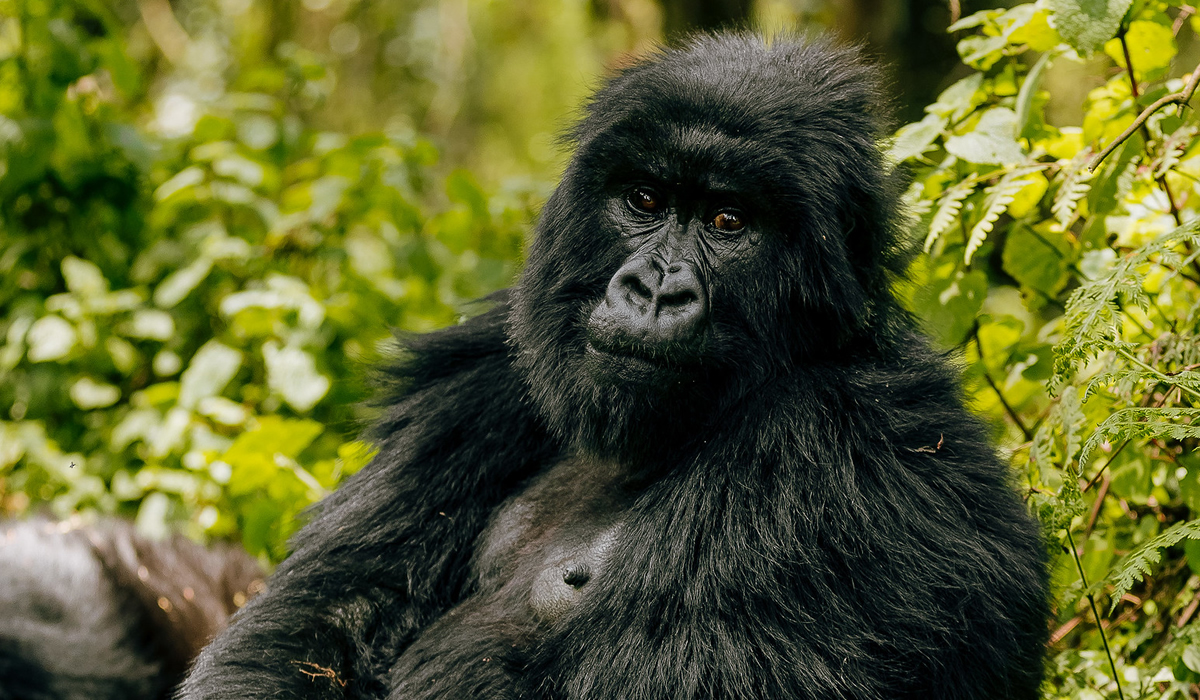
Gorilla Trekking in Bwindi Impenetrable National Park is one of the most extraordinary wildlife experiences on Earth. Hidden within thick rainforest on the edge of the Albertine Rift Valley, this ancient forest is home to nearly half of the world’s remaining mountain gorillas. For many tourists visiting Uganda, the opportunity to walk through dense jungle and spend an hour observing a gorilla family in its natural habitat becomes the highlight of their entire African safari. This Ultimate Guide to Gorilla Trekking in Bwindi explains everything tourists need to know before embarking on a gorilla trekking adventure in Bwindi. From permits and best seasons to physical preparation and responsible tourism, understanding these details helps ensure a rewarding and memorable experience.
Why Bwindi Is the Best Place for Gorilla Trekking
Bwindi Impenetrable National Park is one of the most biologically diverse forests in Africa and a designated UNESCO World Heritage Site. The park covers over 320 square kilometres of dense montane rainforest and is known for its rugged terrain, steep hills, and thick vegetation.
What makes Bwindi truly special is its population of Mountain Gorilla. Globally endangered, these gentle giants survive only in a few protected areas in East Africa. Bwindi alone hosts dozens of habituated gorilla families that tourists can visit under the supervision of trained rangers.
Compared with other gorilla trekking destinations such as Volcanoes National Park and Virunga National Park, Bwindi offers the largest number of gorilla permits and trekking opportunities. This makes it one of the most accessible and reliable destinations for tourists hoping to encounter mountain gorillas in the wild.
Understanding Gorilla Trekking
Gorilla trekking is a guided forest hike in search of a specific gorilla family that has been habituated to human presence. Habituation means the gorillas have gradually become accustomed to researchers and park rangers over several years, allowing tourists to observe them safely without causing stress to the animals.
Every morning, trekking groups depart from designated park sectors with experienced guides and trackers. The trackers move ahead into the forest to locate the gorilla family, while guides lead tourists through the jungle following their signals.
The trek can last anywhere from one hour to six hours depending on where the gorillas are located that day. Once the group is found, tourists are allowed exactly one hour to observe and photograph the gorillas.
This hour often becomes one of the most unforgettable wildlife encounters imaginable. Watching a silverback protect his family, juveniles playfully climbing trees, or mothers gently caring for their infants creates a powerful emotional connection with these incredible animals.
Gorilla Trekking Sectors in Bwindi
Bwindi Impenetrable National Park is divided into four main trekking regions. Each sector offers different gorilla families and unique landscapes.
Buhoma Sector
Located in the northern part of the park, Buhoma Sector is the original trekking area where gorilla tourism began in Uganda. It remains one of the most popular sectors due to its accessibility and well-developed lodges.
The sector is home to several famous gorilla families and offers spectacular forest scenery. Many tourists choose Buhoma because it provides relatively moderate trekking routes compared to other areas.
Ruhija Sector
The Ruhija Sector sits in the eastern section of the park at higher altitude. This area offers dramatic views across the forest canopy and tends to be less crowded.
Treks here can be more challenging due to the steep terrain, but the experience often feels more remote and adventurous.
Rushaga Sector
Rushaga Sector, located in the southern part of the park, currently hosts the largest number of habituated gorilla families. Because of this, more trekking permits are available here each day.
Rushaga is also the only sector offering the unique gorilla habituation experience where tourists can spend extended time observing gorillas with researchers.
Nkuringo Sector
The Nkuringo Sector is known for its spectacular views of the forest and surrounding valleys. It offers a more challenging trekking environment but rewards tourists with breathtaking landscapes and intimate gorilla encounters.
Gorilla Trekking Permits
One of the most important parts of planning a gorilla safari is securing a trekking permit. Gorilla permits are issued by the Uganda Wildlife Authority and allow tourists to visit a habituated gorilla family for one hour.
Only a limited number of permits are available each day to protect the gorillas and minimise human impact. Because of this restriction, permits often sell out months in advance, especially during peak tourist seasons.
Booking through an experienced tour operator like Verdant Safaris ensures permits are secured early and all logistics are handled smoothly. Permits typically include park entry, ranger guides, and conservation fees that support gorilla protection programs.
Best Time for Gorilla Trekking
Gorilla trekking is possible year round in Uganda, but weather conditions vary throughout the year.
The dry seasons are generally considered the best time for trekking. These occur between June and September, and again from December to February. During these months the forest trails are less muddy, making hiking easier.
However, the rainy seasons also offer advantages. The forest becomes lush and vibrant, and there are usually fewer tourists competing for permits. Gorilla sightings remain excellent because the animals stay within the park year round.
Ultimately, gorilla trekking in Bwindi is rewarding in any season as long as tourists are prepared for rainforest conditions.
Physical Preparation for the Trek
Gorilla trekking involves hiking through dense forest, sometimes climbing steep slopes and navigating uneven terrain. While the trek does not require advanced athletic ability, a moderate level of fitness is helpful.
Tourists should prepare for several hours of walking at varying altitudes. Wearing proper hiking boots with strong grip is essential because forest trails can be slippery.
Other recommended gear includes long-sleeved clothing to protect against vegetation, waterproof jackets for sudden rain showers, and gardening gloves for holding onto branches during climbs.
Hiring a porter at the park entrance is also highly recommended. Porters assist with carrying backpacks and offer support during difficult sections of the trek while also providing valuable income to local communities.
Gorilla Trekking Rules and Responsible Tourism
Protecting mountain gorillas is the highest priority during trekking activities. To ensure the safety of both tourists and gorillas, strict guidelines are followed.
Visitors must maintain a distance of at least seven metres from the gorillas. Flash photography is not allowed, and tourists must avoid loud noises or sudden movements that could disturb the animals.
Anyone feeling ill with symptoms such as a cold or flu may be asked not to participate in the trek. Because gorillas share much of our genetic makeup, they are vulnerable to human diseases.
Tourists are also required to follow instructions from guides and rangers at all times. These professionals are highly trained in gorilla behaviour and ensure encounters remain safe and respectful.
Responsible tourism practices help protect these endangered primates while ensuring future generations can continue to experience gorilla trekking.
What the Gorilla Encounter Feels Like
No amount of photographs or documentaries can fully prepare tourists for the moment they first see a gorilla in the wild.
The forest suddenly becomes quiet as guides signal the group to approach slowly. Through the dense foliage, a massive silverback may appear calmly feeding on leaves, his powerful presence commanding attention. Nearby, playful juveniles tumble through vines while mothers cradle their young.
Despite their immense strength, mountain gorillas display remarkable gentleness and social intelligence. Watching them interact reveals complex family bonds and behaviours that closely resemble our own.
The hour spent with a gorilla family often passes quickly, yet the memory remains vivid for a lifetime.
Combining Gorilla Trekking With Other Safaris
Many tourists combine gorilla trekking in Bwindi Impenetrable National Park with wildlife safaris in other national parks across the country.
Popular combinations include game drives in Queen Elizabeth National Park where tourists may see lions, elephants, buffalo, and hippos. Boat cruises along the Kazinga Channel provide exceptional opportunities to observe wildlife gathering along the water.
Another common addition is visiting Kibale National Park for chimpanzee trekking. This rainforest destination offers one of the highest concentrations of primates in Africa.
Combining these experiences creates a diverse safari that showcases Uganda’s extraordinary biodiversity.
Community and Conservation Impact
Gorilla tourism plays a vital role in conservation and community development in southwestern Uganda. Revenue from trekking permits supports park management, wildlife protection, and anti-poaching initiatives.
Local communities surrounding Bwindi Impenetrable National Park also benefit through employment opportunities in lodges, guiding services, and cultural tourism programs.
Community initiatives encourage sustainable livelihoods that reduce reliance on forest resources. As a result, protecting gorillas becomes directly linked to improving local wellbeing.
Tourists who participate in gorilla trekking therefore contribute not only to an incredible wildlife encounter but also to long-term conservation success.
Planning Your Gorilla Trekking Safari
Planning a gorilla trekking safari requires careful coordination of permits, accommodation, and transportation. Because trekking sectors are located in remote mountainous areas, most tourists visit as part of an organised safari itinerary.
Experienced tour companies such as Verdant Safaris arrange everything from permit reservations to comfortable lodge stays and guided transfers between national parks. This allows tourists to focus entirely on enjoying the adventure.
Early booking is strongly recommended, particularly for peak travel months when permits are limited.
Gorilla trekking in Bwindi Impenetrable National Park is far more than a wildlife activity. It is a deeply moving encounter with one of our closest relatives in one of Africa’s most ancient forests.
For tourists seeking a meaningful safari experience, few adventures compare to standing quietly in the rainforest while a gorilla family goes about its daily life just metres away. The combination of breathtaking scenery, rare wildlife, and powerful conservation impact makes this journey truly unforgettable.
With proper planning and guidance from an experienced safari company like Verdant Safaris, gorilla trekking becomes a once in a lifetime experience that leaves tourists with memories that last forever.