

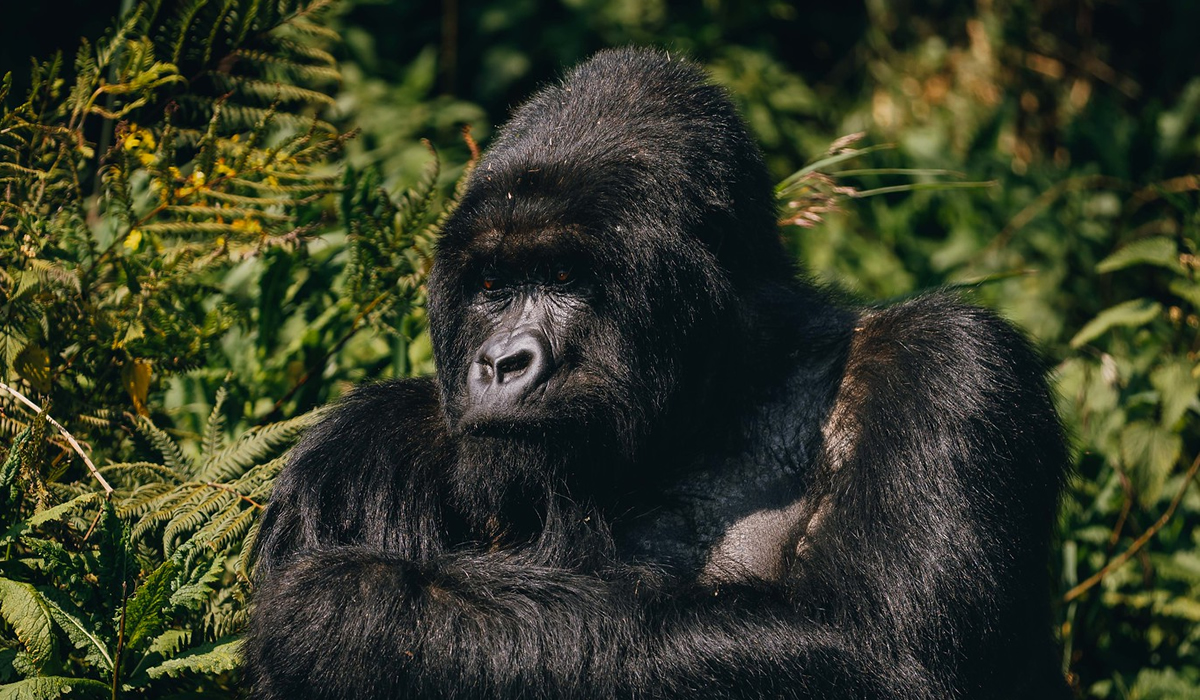
Standing just a few meters away from a massive Silverback in the misty heights of Volcanoes National Park is, for many, the pinnacle of wildlife encounters. It is a moment of profound connection that transcends the typical safari experience. However, because mountain gorillas share approximately 98% of our DNA, they are incredibly susceptible to human ailments. To ensure these majestic creatures continue to thrive and to guarantee the safety of all tourists, the Rwanda Development Board (RDB) has established a strict set of Rwanda Gorilla Trekking Rules and Guidelines.
Whether you are already packing your bags or just beginning to dream of the “Land of a Thousand Hills,” understanding these protocols is essential. These regulations aren’t just red tape; they are the foundation of a conservation success story that has brought mountain gorillas back from the brink of extinction.
Securing Your Permit and Preparing for the Journey
The journey begins long before you set foot in the forest. In Rwanda, gorilla trekking is a highly regulated activity with a limited number of permits issued each day. Currently, there are 12 habituated gorilla families available for tracking, and with a limit of 8 tourists per group, only 96 permits are available daily.
The cost for a gorilla trekking permit remains at $1,500 for foreign non-residents. This fee is a significant investment, but it is important to know that a large portion of this goes directly toward the conservation of the park and the well-being of the local communities living around the Volcanoes National Park. Because demand is consistently high, it is highly recommended that tourists book their permits at least six to twelve months in advance, especially if planning to visit during the peak dry seasons of June to September or December to February.
In addition to the financial commitment, there is a strict age limit. Only individuals aged 15 years and older are permitted to trek. This rule is primarily in place because children are more likely to carry common childhood diseases like mumps or chickenpox, which could be devastating to a gorilla population. Furthermore, the trek can be physically demanding, requiring a level of maturity and physical stamina that younger children may not yet possess.
The Importance of Health and Hygiene
The most critical rule of gorilla trekking is one of health: if you are feeling unwell, you must not trek. Even a common cold or a simple flu, which might be a minor inconvenience to us, can be fatal to a mountain gorilla. Their immune systems are not equipped to handle human bacteria and viruses.
Upon arrival at the Kinigi Park Headquarters for your morning briefing, park rangers will conduct a basic health check. If a tourist displays obvious signs of a contagious illness, such as persistent coughing or a fever, they will be barred from the trek. While this can be heartbreaking after months of planning, it is a non-negotiable sacrifice for the safety of the species. In many cases, if you declare your illness early, the park authorities may help in rescheduling your trek or discussing refund options, though this is at their discretion.
As a further precaution, tourists are required to wear a surgical-grade face mask when in the presence of the gorillas. This helps minimise the risk of airborne transmission of respiratory droplets. We recommend carrying a few extra masks in your daypack, as the humidity of the forest can make them damp during the hike.
Etiquette During the Encounter
Once your trackers have located the gorilla family and the “one-hour clock” begins, your behaviour becomes paramount. The goal is to be a silent, respectful observer in their living room.
Maintain the Seven-Meter Gap
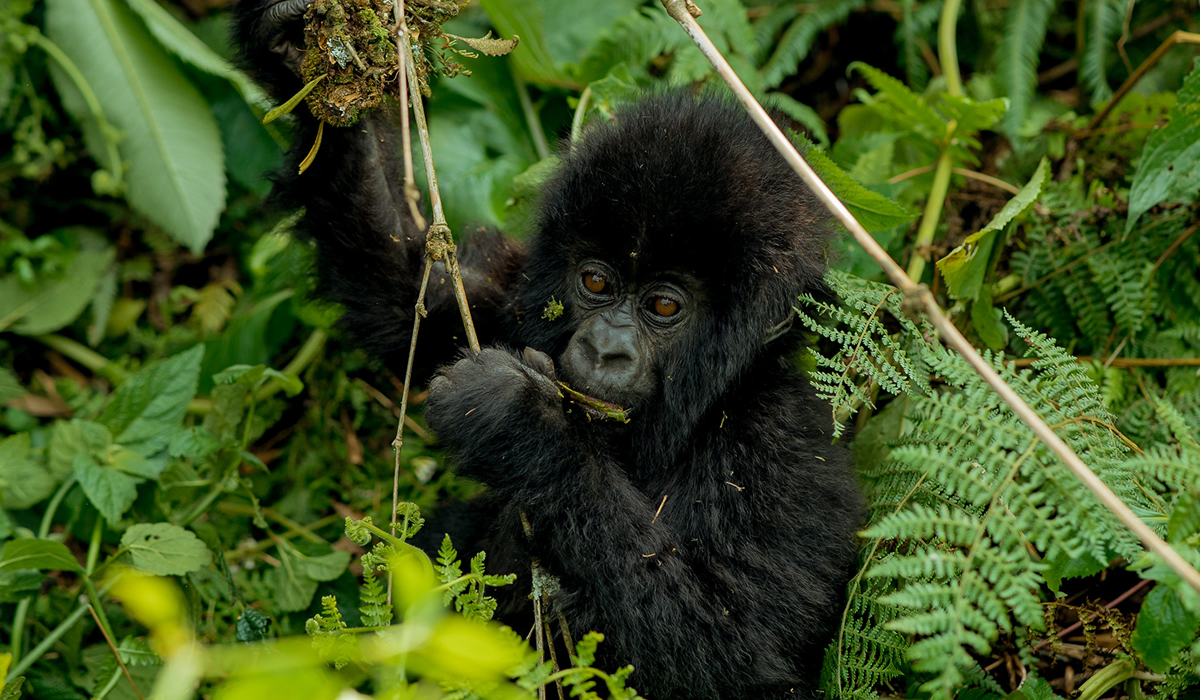
The golden rule of the encounter is to maintain a minimum distance of 7 meters (about 22 feet) from the gorillas at all times. This distance is designed to prevent the spread of germs and to ensure the gorillas do not feel crowded or threatened. Occasionally, a curious juvenile might approach you. In such instances, your guide will instruct you to slowly and calmly step back. If there is no room to move, you should remain still, avoid eye contact, and follow your guide’s whispered directions.
Body Language and Noise Levels
Gorillas are highly sensitive to sound and movement. Tourists should keep their voices at a low whisper throughout the encounter. Avoid making sudden gestures or pointing at the gorillas, as these can be interpreted as signs of aggression. If a gorilla particularly the Silverback should charge or vocalise loudly, do not panic and, under no circumstances, should you run. Running triggers a chase instinct. Instead, follow your guide’s lead: crouch down slowly, look away, and show that you are submissive and pose no threat.
Strictly No Eating or Smoking
Eating, drinking, or smoking in the presence of the gorillas is strictly prohibited. Not only can the smell of food distract the animals or cause them to approach you, but discarded food scraps can carry human pathogens. If you need a snack or a drink of water, your guide will lead the group to a designated spot a safe distance away from the family before you take a break.
Photography and Electronics
Naturally, every tourist wants to capture the magic of the moment. Photography is encouraged, but it comes with a major caveat: Flash photography is strictly forbidden. The sudden burst of light can frighten the gorillas, potentially causing a protective Silverback to charge. Before you even reach the family, ensure your flash is disabled and your camera is set to silent mode.
In 2026, the use of drones is also prohibited within the national park unless special permits have been obtained for professional filmmaking. The buzzing sound and physical presence of a drone are highly disruptive to the peace of the forest. When taking photos, try to remain in a tight group with your fellow tourists rather than spreading out, as this makes the human presence less overwhelming for the gorilla family.
Respecting the Forest Environment
Volcanoes National Park is a pristine Afro-montane ecosystem, and the “Leave No Trace” principle is heavily enforced. Tourists are expected to carry out everything they carry in. This includes plastic water bottles, snack wrappers, and even organic waste like fruit peels.
If “nature calls” during the trek, you must inform your guide. Since there are no toilets in the deep forest, the guide will dig a hole (at least 30 cm deep) which you must use, and it will be covered afterward to prevent any waste from being uncovered by other forest animals. This level of care ensures that the habitat remains as wild and untainted as possible.
What to Pack for a Successful Trek
The terrain in Volcanoes National Park can be steep, muddy, and covered in thick vegetation, including stinging nettles. Proper gear is not just about comfort; it’s about your ability to follow the rules and stay safe.
- Footwear: Sturdy, waterproof hiking boots with excellent ankle support are a must. The trails can be slippery, and a twisted ankle can end a trek prematurely.
- Clothing: Long-sleeved shirts and long trousers are essential to protect your skin from thorns and insects. Many tourists find it helpful to tuck their trousers into their socks to prevent ants from crawling up their legs, it’s a classic “trekker look” for a reason!
- Gloves: A pair of tough gardening gloves is highly recommended. You will often need to grab onto branches or vines for balance, and these can often be prickly.
- Rain Gear: Even in the dry season, a lightweight rain jacket or poncho is necessary. The weather at high altitudes is famously unpredictable.
- Water and Snacks: Pack at least two liters of water and energy-dense snacks like nuts or dried fruit to keep your energy up during the hike, which can last anywhere from one to six hours.
The Role of the Guide and Porter
Every group of tourists is accompanied by a lead guide, two professional trackers, and two armed rangers. The rangers are there to ensure safety from other wild animals, such as forest elephants, while the trackers are the experts who stay with the gorilla families from dawn to dusk.
At the trailhead, you will also have the opportunity to hire a porter. While many fit tourists feel they can carry their own bags, we strongly encourage hiring a porter (usually around $20 plus tip). Not only does this make your trek significantly easier allowing you to focus on the scenery rather than your heavy backpack but it provides an essential source of income for members of the local community. Many porters are former poachers who now earn a living protecting the very animals they once hunted. By hiring one, you are directly contributing to the sustainability of gorilla conservation.
Gorilla trekking in Rwanda is more than just a bucket-list activity; it is a privilege. By adhering to these rules and guidelines, tourists play an active role in the protection of a species that shares our very essence. The one hour you spend with these animals is a gift, and the memories will likely stay with you for a lifetime.
When you follow the 7-meter rule, wear your mask, and keep your voice low, you are showing the mountain gorillas the respect they deserve. In return, they offer us a glimpse into a world of quiet strength and complex social bonds that is unlike anything else on Earth. Contact us to know more about Rwanda Gorilla Trekking Rules and Guidelines.