

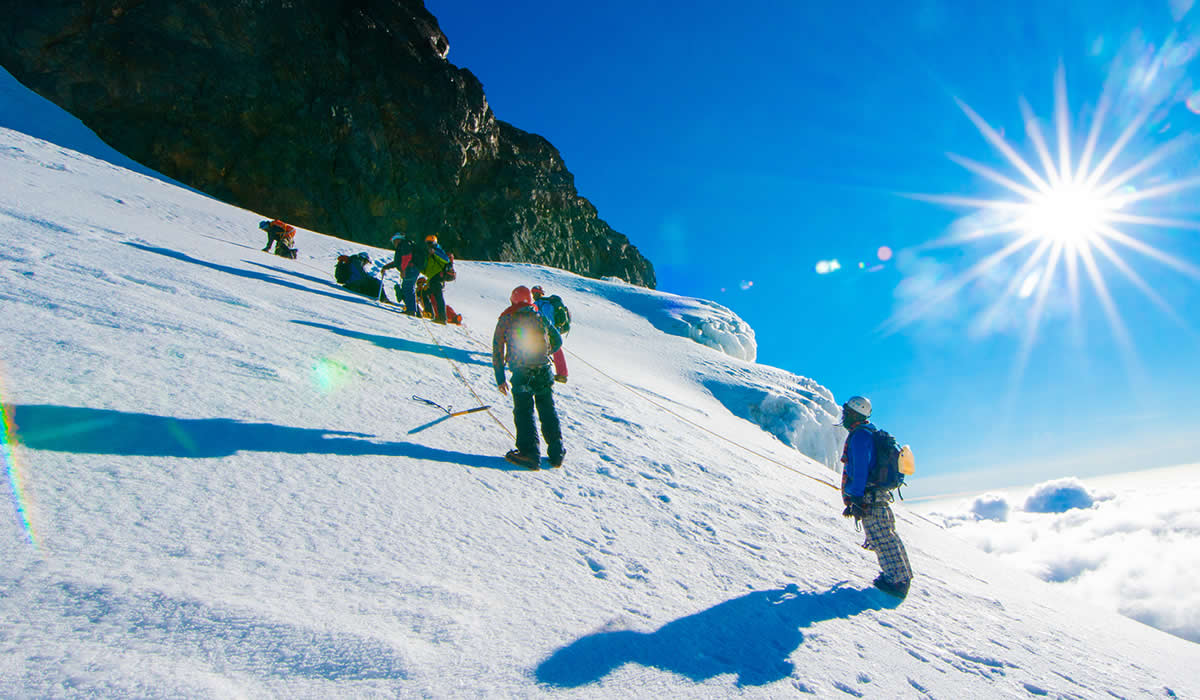
Climbing Mount Rwenzori is one of the most extraordinary adventures tourists can experience in Africa. Rising dramatically along the border of Uganda and the Democratic Republic of Congo, the Rwenzori range is famous for its snow-capped peaks, ancient glaciers, and unique alpine landscapes. Often called the “Mountains of the Moon,” this spectacular mountain range offers one of the most challenging and rewarding trekking experiences on the continent.
For tourists seeking a true wilderness expedition, Climbing Mount Rwenzori provides a rare opportunity to journey through diverse ecosystems, from tropical rainforest to high altitude glaciers. Unlike more commonly climbed African mountains, the Rwenzori offers a remote and wild trekking experience that rewards climbers with breathtaking scenery and a deep sense of achievement.
Understanding what to expect before embarking on this adventure is essential for tourists planning a Rwenzori climbing expedition.
Where the Rwenzori Mountains Are Located
The Rwenzori Mountains lie within Rwenzori Mountains National Park, a UNESCO World Heritage Site located in western Uganda near the town of Kasese. The park protects an extraordinary mountain ecosystem that stretches across deep valleys, rugged ridges, and towering peaks.
The highest summit in the range is Margherita Peak, which stands at 5,109 meters above sea level. This peak sits on Mount Stanley and is one of the few places near the equator where permanent snow and glaciers still exist.
Climbing Mount Rwenzori is very different from climbing other famous African mountains such as Mount Kilimanjaro. While Kilimanjaro is known for its relatively straightforward ascent routes, the Rwenzori range is rugged, remote, and often wet, requiring greater endurance and preparation.
For many tourists, this challenge is precisely what makes the experience so rewarding.
The Unique Landscape of the Rwenzori Mountains
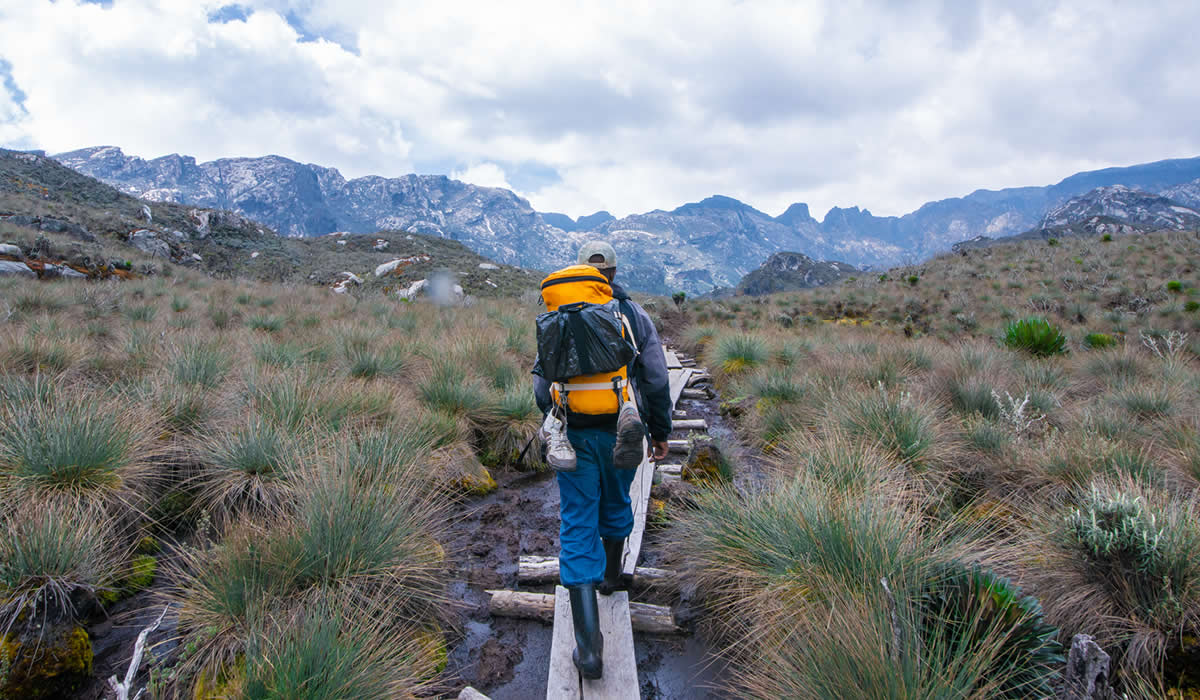
One of the most fascinating aspects of climbing the Rwenzori Mountains is the dramatic change in landscapes as tourists ascend higher into the range. The trek begins in lush tropical rainforest filled with tall trees, thick vegetation, and the sounds of birds and monkeys.
As climbers move higher, the environment gradually transforms into bamboo forests, moss-covered valleys, and giant heather trees draped in lichen. Further up, the landscape becomes even more surreal with enormous lobelia and giant groundsel plants that give the mountains an almost prehistoric appearance.
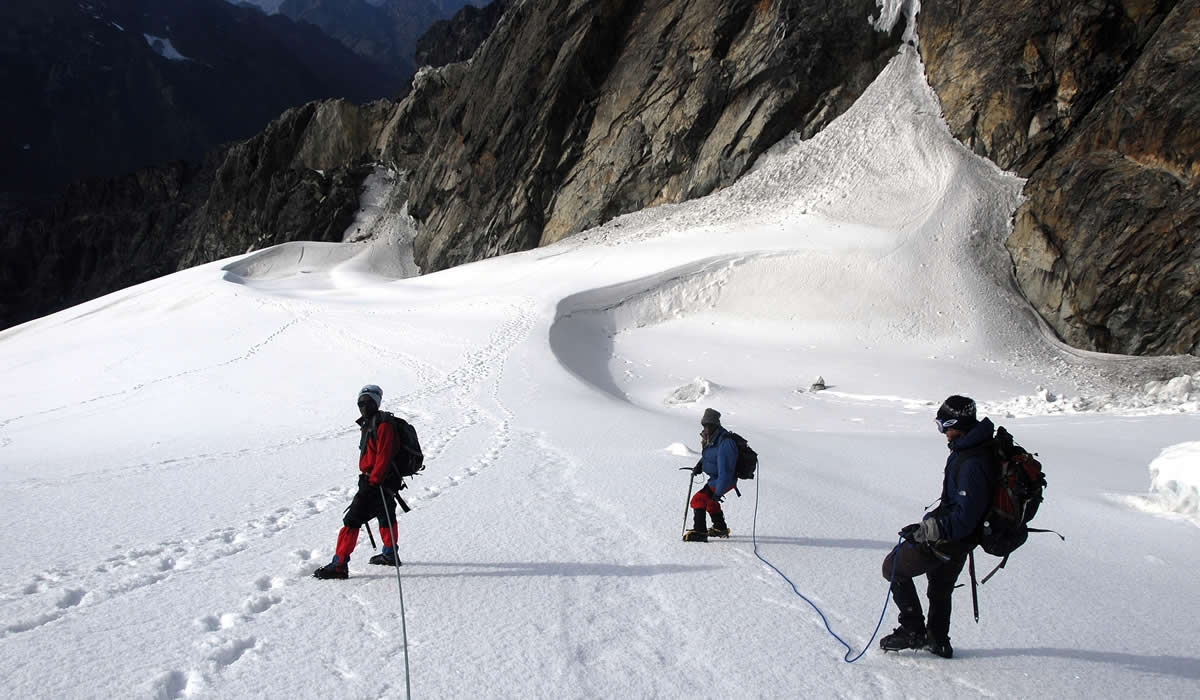
Eventually, the alpine zone emerges with rocky slopes, glaciers, and snowfields near the summit. The variety of ecosystems encountered during the climb makes the Rwenzori Mountains one of the most biologically diverse mountain ranges in Africa.
Tourists often describe the trek as a journey through multiple worlds within a single expedition.
Popular Trekking Routes
Several trekking routes allow tourists to explore the Rwenzori Mountains, each offering its own challenges and scenic highlights.
The most well known route is the Central Circuit Trail, which takes climbers deep into the heart of the mountain range. This route typically takes seven to nine days and offers spectacular views of peaks, glaciers, and alpine lakes.
Another popular route is the Kilembe Trail, which approaches the mountains from the southern side. This route is known for its beautiful landscapes, quieter trails, and dramatic views of valleys and waterfalls.
Both routes lead tourists through diverse terrain and eventually provide access to the high altitude peaks for those attempting to reach Margherita Peak.
The choice of route often depends on the tourist’s experience level, fitness, and available time.
Physical Challenges of Climbing the Rwenzori
Climbing the Rwenzori Mountains is considered one of the most demanding trekking adventures in Africa. The terrain can be steep, muddy, and slippery, especially in the lower rainforest sections where rainfall is frequent.
Unlike some other mountain treks that involve gradual paths, Rwenzori trails often require navigating rocky ridges, wooden ladders, and boggy terrain. Tourists should expect long hiking days that require stamina and determination.
Altitude also becomes a factor as climbers move higher into the mountains. Proper acclimatisation is essential to reduce the risk of altitude sickness.
However, with the guidance of experienced guides and a steady pace, many determined tourists successfully reach the summit each year.
The sense of accomplishment after completing the climb makes every challenge worthwhile.
Wildlife and Nature Along the Trail
Although the Rwenzori Mountains are known primarily for their dramatic landscapes, they are also home to a variety of wildlife. The lower forest zones support several primate species including black-and-white colobus monkeys and blue monkeys.
Bird enthusiasts also find the mountains rewarding, as the park is home to many species found in the Albertine Rift region.
The unique vegetation found at higher altitudes is equally fascinating. The giant lobelia plants and towering groundsels create a surreal landscape rarely seen anywhere else in the world.
These remarkable plants have adapted to survive in extreme high altitude conditions, making them one of the defining features of the Rwenzori environment.
For nature lovers, the diversity of plant life along the trail is one of the most memorable aspects of the journey.
Accommodation During the Climb
Climbing the Rwenzori Mountains is a multi-day expedition that requires overnight stays along the route. Trekking routes include a network of mountain huts or camps that provide basic shelter for climbers.
These huts are strategically located at different elevations and serve as resting points during the ascent. While the accommodation is simple, it provides a safe and comfortable place to rest after long days of trekking.
Meals are typically prepared by the support team accompanying the expedition, which may include guides, porters, and cooks. This support system allows tourists to focus on the climb while enjoying warm meals and essential assistance.
The camaraderie that develops among climbers and support staff often becomes one of the most enjoyable aspects of the expedition.
Best Time to Climb the Rwenzori Mountains
The Rwenzori Mountains can be climbed throughout the year, but the dry seasons generally provide the best conditions for trekking.
These dry periods usually occur between June and September and again from December to February. During these months, rainfall is reduced and trails are somewhat easier to navigate.
However, even during the dry season, the Rwenzori Mountains can experience unpredictable weather. Rain, mist, and cold temperatures are common, especially at higher elevations.
Tourists should be prepared for a range of weather conditions and bring appropriate clothing for both wet and cold environments.
Essential Gear for the Expedition
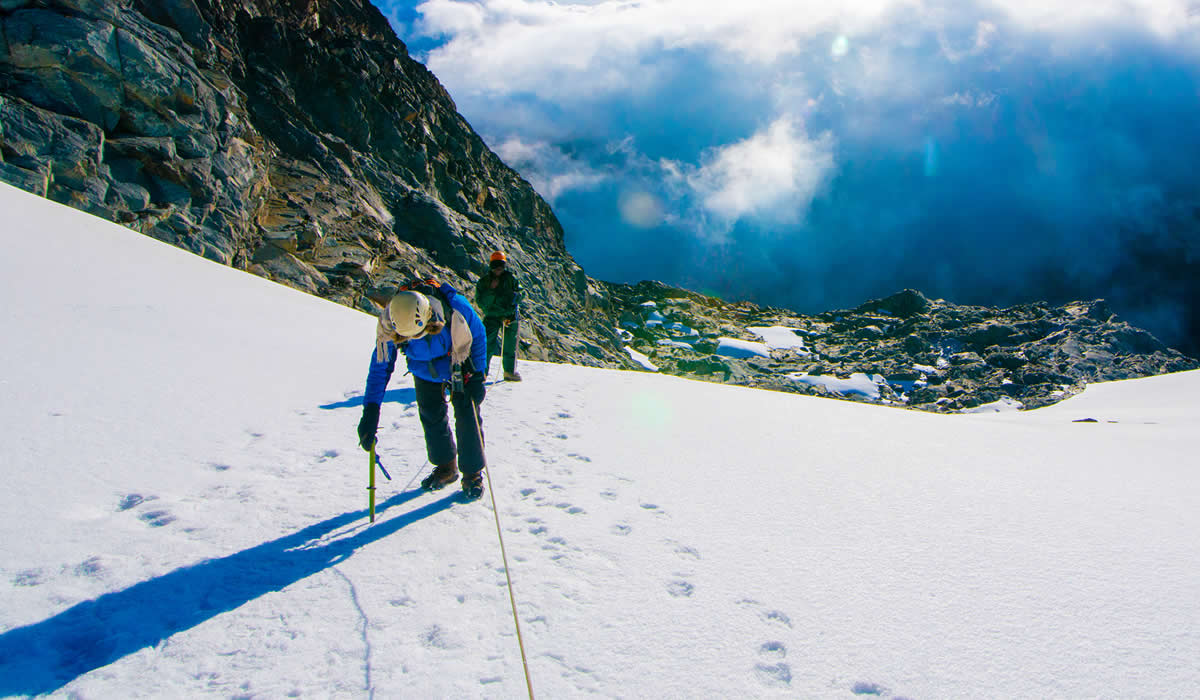
Proper equipment is crucial for a successful Rwenzori climb. Tourists should bring waterproof hiking boots with strong grip, warm clothing layers, and high quality rain gear.
Gloves, hats, and thermal clothing are essential for the colder conditions near the summit. Trekking poles can also help maintain balance on muddy or steep trails.
Other useful items include a headlamp, a sleeping bag suitable for cold temperatures, and a backpack for carrying personal essentials.
While some equipment can be rented locally, preparing with the right gear significantly improves comfort and safety during the expedition.
The Role of Guides and Porters
Climbing Mount Rwenzori requires the support of trained guides and porters who are familiar with the terrain and weather conditions.
Guides lead the expedition, monitor the health of climbers, and ensure that the route is followed safely. Porters carry equipment, supplies, and camping gear, allowing tourists to focus on the physical challenge of the climb.
This teamwork creates a strong sense of cooperation and shared purpose throughout the journey.
Tourists often find that the encouragement and knowledge of local guides play a crucial role in helping them reach their goals.
Why Climbing the Rwenzori Is an Unforgettable Adventure
Climbing the Rwenzori Mountains is far more than just a physical challenge. It is a journey through one of Africa’s most extraordinary natural environments.
The combination of remote wilderness, rare plant life, towering peaks, and breathtaking scenery creates an adventure unlike any other on the continent.
Unlike more crowded mountain destinations, the Rwenzori offers tourists a sense of true exploration. The trails feel wild and untouched, providing a deeper connection with nature.
Standing on the summit of Margherita Peak and looking across the snow covered ridges and valleys below is a moment that few people ever experience.
For many tourists, this achievement becomes one of the most meaningful accomplishments of their lives.
Planning Your Rwenzori Climb With Verdant Safaris
Because climbing the Rwenzori Mountains requires careful preparation, working with experienced tour operators is essential. Verdant Safaris helps tourists organise guided expeditions that include permits, equipment arrangements, accommodation, and professional mountain guides.
With proper planning and expert guidance, tourists can safely experience one of Africa’s most spectacular mountain adventures.
Climbing Mount Rwenzori offers a rare opportunity to explore a remote alpine world filled with glaciers, valleys, and ancient forests. For adventurous tourists seeking a true wilderness expedition, this journey into the legendary Mountains of the Moon is an experience that will never be forgotten.