

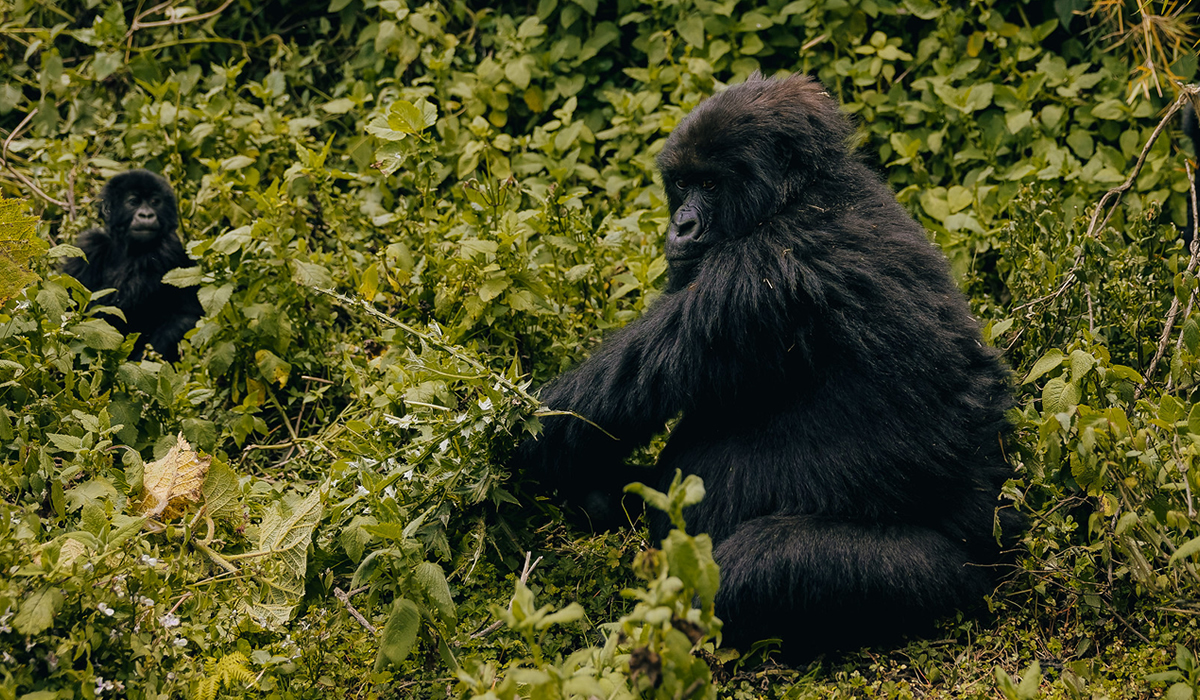
Gorilla Trekking is widely regarded as one of the most remarkable wildlife experiences in Africa. Walking through a dense rainforest, guided by expert trackers, and coming face to face with a family of endangered mountain gorillas is something that leaves a lasting impression on every visitor. For many tourists visiting Uganda, gorilla trekking becomes the highlight of their entire safari. This guide shares top tips for a successful gorilla trek while maximising their chances of enjoying one of the most unforgettable wildlife encounters on Earth.
However, trekking to see gorillas is not a typical wildlife activity. It involves hiking through mountainous rainforest terrain, following trackers deep into the forest, and observing wildlife under strict conservation guidelines. Proper preparation and awareness can make a significant difference in ensuring a comfortable and rewarding experience.
Book Your Gorilla Permit Early
One of the most important steps in planning a gorilla trekking safari is securing a permit well in advance. Permits are issued by the Uganda Wildlife Authority and are required for anyone who wishes to visit mountain gorillas in the wild.
In Uganda, gorilla trekking takes place primarily in Bwindi Impenetrable National Park and Mgahinga Gorilla National Park. Each habituated gorilla family can only be visited by a maximum of eight tourists per day. This rule protects the gorillas and helps minimise human impact on their natural behaviour.
Because of this limited access, permits often sell out months in advance, especially during peak travel seasons. Booking early ensures tourists secure their preferred trekking date and allows tour operators such as Verdant Safaris to plan accommodation and transportation accordingly.
Prepare for a Physical Trek
Gorilla trekking is an adventure that requires a moderate level of physical fitness. The forests where gorillas live are often steep, humid, and covered in thick vegetation. Treks can last anywhere from one hour to several hours depending on the location of the gorilla family that day.
In Bwindi Impenetrable National Park, the terrain is particularly rugged with deep valleys and dense jungle. Some treks involve climbing slopes or navigating narrow forest trails.
Tourists do not need to be professional hikers, but basic fitness and endurance will make the experience far more enjoyable. Preparing with regular walking or light hiking before the safari can help build stamina and confidence for the trek.
Wear the Right Clothing
Choosing appropriate clothing is essential for comfort and safety during gorilla trekking. The rainforest environment can be humid, muddy, and filled with thick vegetation.
Tourists should wear long-sleeved shirts and long trousers to protect against scratches, insects, and thorny plants. Neutral colours such as green, brown, or khaki are recommended because they blend with the natural environment and avoid attracting insects.
Sturdy hiking boots with strong grip are also crucial, as forest trails can be slippery after rain. Waterproof jackets are highly recommended because rainfall is common even during dry seasons in tropical forests.
Dressing appropriately helps tourists move comfortably through the forest while focusing on the incredible wildlife experience.
Pack Essential Trekking Items
Carrying a small backpack with essential items can make a big difference during the trek. Tourists should bring enough drinking water to stay hydrated throughout the hike, especially in humid conditions.
Energy snacks such as nuts, fruit, or protein bars are helpful for maintaining energy levels during long treks. Sunscreen and insect repellent are also recommended for protection in open areas of the forest.
Many tourists also bring gardening gloves, which help when grabbing branches or climbing steep sections of trail. These small but useful items contribute greatly to overall comfort during the trek.
Hire a Local Porter
Many tourists underestimate the benefits of hiring a porter during gorilla trekking. At the park headquarters in Bwindi Impenetrable National Park and Mgahinga Gorilla National Park, local porters are available to assist visitors during the hike.
Porters help carry backpacks, provide support on steep trails, and assist with navigating difficult terrain. Their support can make the trek significantly easier, particularly for tourists who are not used to hiking in mountainous forests.
Hiring a porter also supports local communities living near the national parks, creating important economic benefits that encourage conservation efforts.
Listen Carefully During the Ranger Briefing
Every gorilla trekking experience begins with an early morning briefing conducted by rangers from the Uganda Wildlife Authority. This briefing provides essential information about gorilla behaviour, trekking safety, and conservation rules.
Tourists learn how to behave when approaching gorillas, how to maintain safe distances, and what actions to avoid during the encounter. Following these guidelines ensures the safety of both visitors and the gorillas.
Listening carefully during the briefing also helps tourists understand what to expect during the trek and increases confidence as they enter the forest.
Be Patient During the Trek
One of the most important tips for a successful gorilla trek is patience. Tracking gorillas in dense rainforest is unpredictable, and the time required to locate them varies each day.
Sometimes tourists find the gorillas within an hour of entering the forest, while other times the trek may take several hours. The trackers usually begin early in the morning to locate the gorilla families and guide the trekking groups.
The journey itself becomes part of the adventure. Walking through ancient rainforest, listening to birds, and spotting other wildlife makes the experience memorable even before reaching the gorillas.
Patience and a positive attitude help tourists fully appreciate the beauty of the forest environment.
Follow Gorilla Trekking Rules
Gorilla trekking is strictly regulated to protect the endangered Mountain Gorilla and preserve their natural behaviour.
Tourists must maintain a minimum distance of seven metres from the gorillas at all times. This rule reduces the risk of disease transmission between humans and gorillas.
Flash photography is not allowed because it may startle the animals. Visitors are also advised to avoid loud noises or sudden movements that could disturb the gorillas.
If a gorilla approaches closer than the recommended distance, tourists should remain calm and follow the ranger’s instructions. Respecting these rules ensures that gorilla tourism remains sustainable and safe.
Take Time to Observe the Gorillas
Once the gorilla family is located, tourists are allowed exactly one hour to observe them in their natural habitat. This hour often feels shorter than expected, so it is important to use the time wisely.
Rather than focusing only on photography, tourists should take time to observe the gorillas’ behaviour. Watching a silverback guard his family, juveniles playing in the trees, or mothers caring for their infants offers fascinating insights into gorilla social life.
The experience becomes even more powerful when tourists simply pause and appreciate the moment of sharing space with one of the world’s most remarkable primates.
Protect Yourself from Altitude and Weather
The forests where gorillas live are located at relatively high altitudes. In areas such as Bwindi Impenetrable National Park and Mgahinga Gorilla National Park, elevations can reach more than 2,000 metres above sea level.
Tourists may feel slightly breathless while hiking uphill, especially if they are not used to high altitude environments. Moving at a steady pace and staying hydrated helps reduce discomfort.
Weather conditions can also change quickly in the mountains. Carrying rain gear and wearing layered clothing ensures tourists remain comfortable throughout the trek.
Combine Gorilla Trekking with Other Safari Experiences
While gorilla trekking is the highlight for many tourists, Uganda offers many other remarkable wildlife experiences that can enhance a safari itinerary.
After trekking in Bwindi Impenetrable National Park, tourists often continue their journey to Queen Elizabeth National Park for game drives where lions, elephants, and buffalo roam the savannah.
Another popular destination is Kibale National Park, known for its incredible chimpanzee tracking experiences and rich primate diversity.
Combining gorilla trekking with these destinations creates a well rounded safari that showcases Uganda’s incredible wildlife and landscapes.
Support Conservation and Local Communities
Gorilla tourism plays an important role in protecting endangered wildlife and supporting local communities. Revenue from gorilla permits helps fund conservation programs, ranger patrols, and anti poaching initiatives.
Communities surrounding Bwindi Impenetrable National Park benefit through employment in tourism, guiding services, and cultural experiences offered to visitors.
By participating in gorilla trekking, tourists directly contribute to the long term survival of mountain gorillas and the wellbeing of people living near the forests.
A gorilla trek in Uganda is an adventure unlike any other wildlife experience in the world. From hiking through ancient rainforest to standing quietly near a family of endangered gorillas, every moment becomes a powerful reminder of the beauty and fragility of nature.
By preparing properly, respecting conservation guidelines, and approaching the experience with patience and curiosity, tourists can ensure their trek is both successful and deeply meaningful.
With expert planning and guidance from safari specialists such as Verdant Safaris, tourists can embark on a gorilla trekking journey that combines adventure, wildlife, and conservation into one unforgettable African experience.