

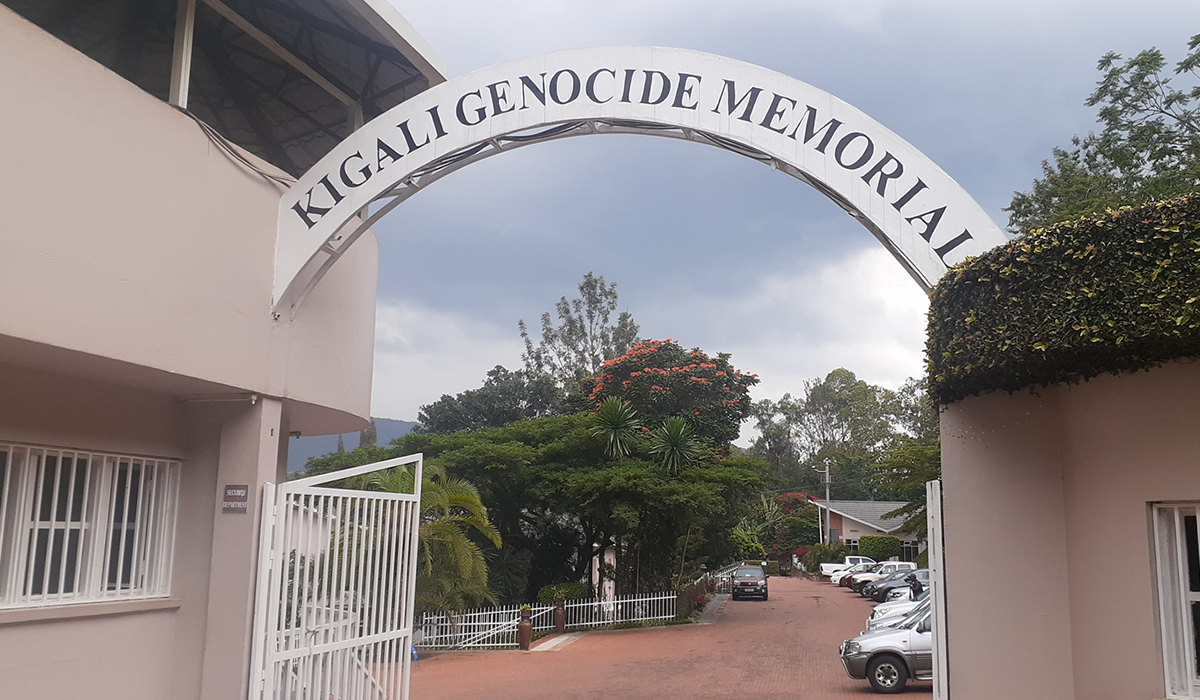
The Kigali Genocide Memorial stands as one of Rwanda’s most important historical and educational sites, offering tourists a profound opportunity to understand the country’s past while honouring the memory of more than one million lives lost during the 1994 Genocide against the Tutsi. Located in Gisozi, just a short drive from Kigali city center, the memorial is both a place of remembrance and a center for learning, reconciliation, and hope. For tourists visiting Rwanda with Verdant Safaris, a visit to the Kigali Genocide Memorial provides essential context that deepens appreciation of the nation’s resilience, unity, and remarkable journey of recovery.
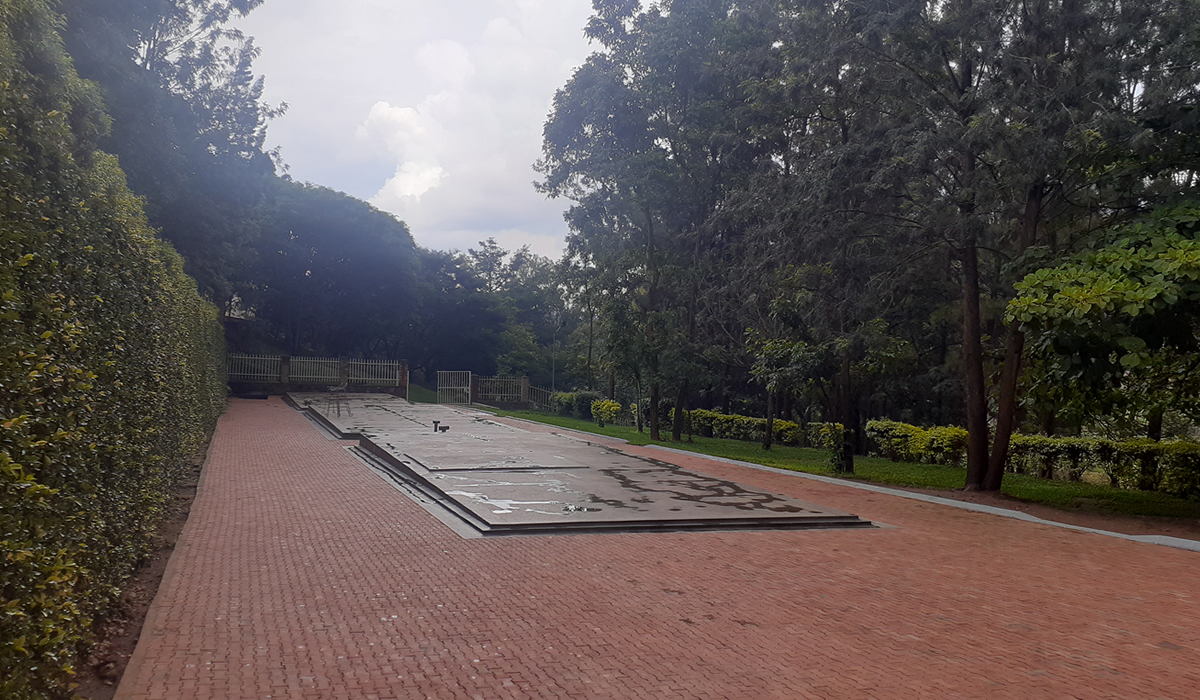
Rwanda today is often described as one of Africa’s most peaceful and progressive destinations, but its modern identity cannot be fully understood without learning about its history. The Kigali Genocide Memorial was officially opened in 2004 on the tenth commemoration of the genocide. It serves as the final resting place for over 250,000 victims who were reburied with dignity at the site. For tourists, the memorial is not only a museum but also sacred ground, inviting quiet reflection and respectful engagement.
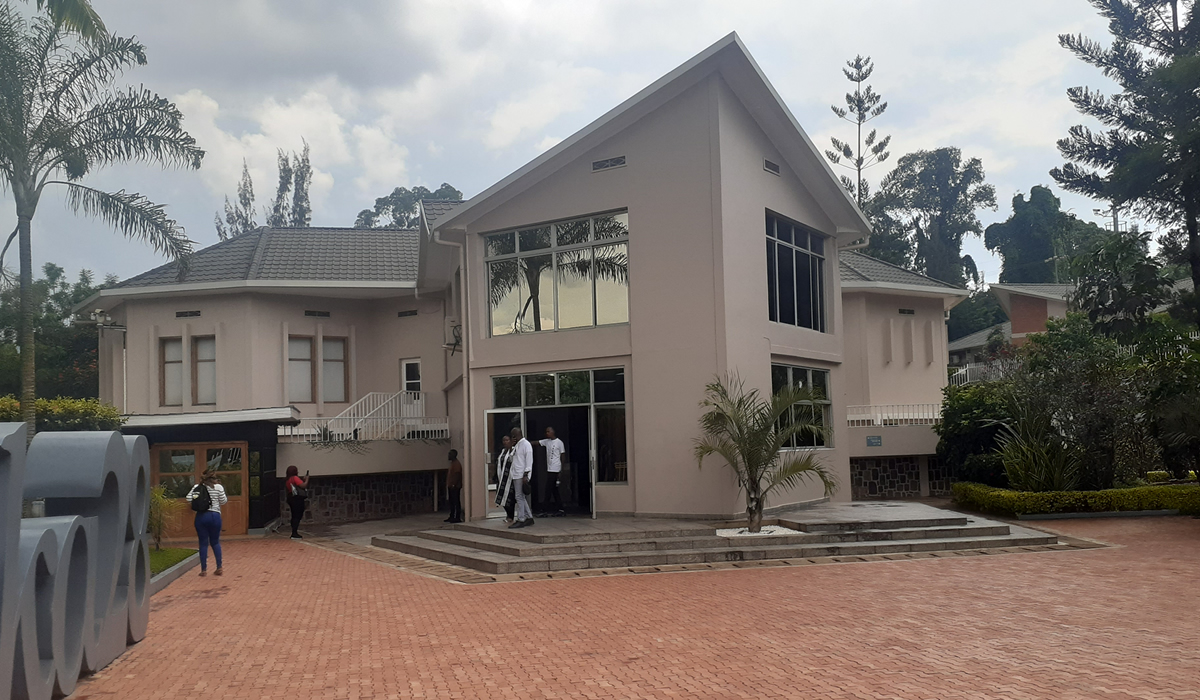
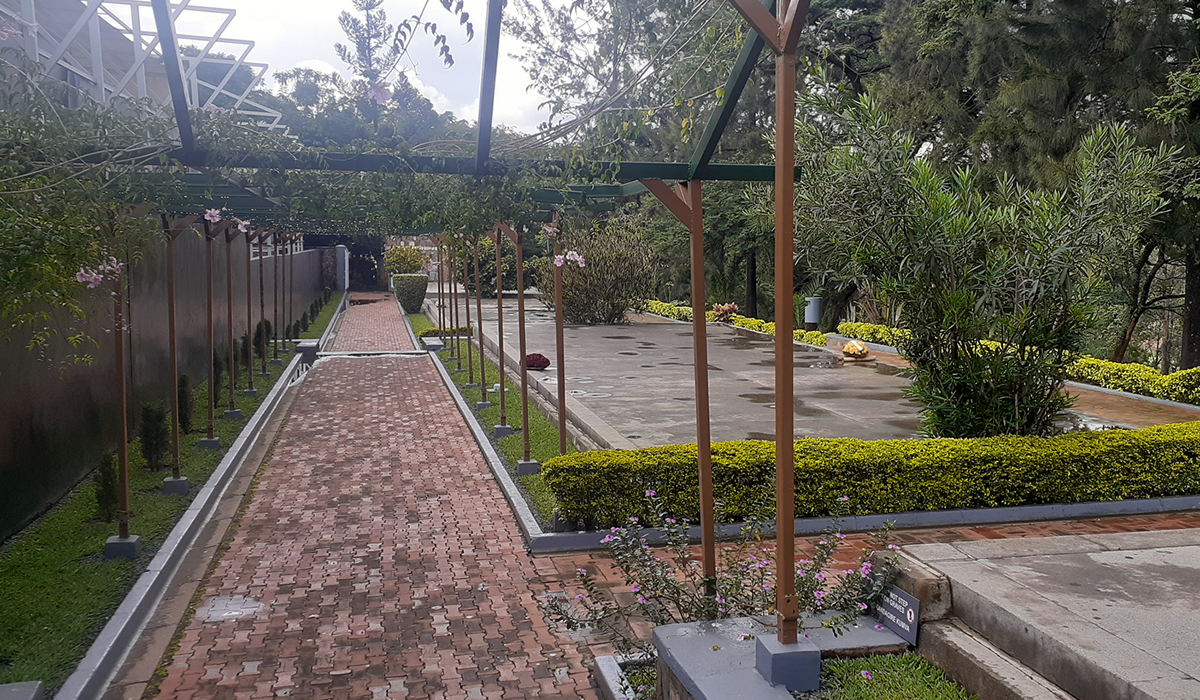
As tourists enter the memorial grounds, they are welcomed by beautifully maintained gardens that create a calm and contemplative atmosphere. This peaceful setting contrasts sharply with the difficult history explored inside, symbolising Rwanda’s commitment to remembrance and healing. Verdant Safaris always encourages tourists to approach the visit with sensitivity and openness, as the memorial is deeply meaningful to Rwandans and plays a vital role in national identity.
The main exhibition at the Kigali Genocide Memorial provides a clear and educational account of Rwanda’s history leading up to the 1994 genocide. Through photographs, videos, personal testimonies, and historical explanations, tourists gain insight into how colonial policies, ethnic division, and political manipulation laid the groundwork for violence. The exhibition is carefully designed to inform without sensationalism, making it accessible and impactful for international tourists of all backgrounds.
One of the most powerful aspects of the memorial is the personal stories shared throughout the exhibits. Survivors’ testimonies, displayed through written narratives and audio recordings, allow tourists to connect with individual experiences rather than abstract statistics. These stories highlight not only immense suffering but also extraordinary courage, compassion, and survival. For many tourists, this human connection makes the visit deeply moving and unforgettable.
The memorial also includes a section dedicated to children who were victims of the genocide. This area is especially emotional, as it shares photographs and brief descriptions of children’s lives, including their favorite foods, games, and dreams. The presentation is respectful and restrained, yet it leaves a lasting impression on tourists and underscores the tragic loss of innocence. Verdant Safaris advises tourists to take their time in this section and to step outside for reflection if needed.
In addition to focusing on Rwanda, the Kigali Genocide Memorial places the 1994 genocide within a global context. An international exhibition compares the genocide against the Tutsi with other genocides around the world, including those in Armenia, the Holocaust, Cambodia, and Bosnia. This broader perspective helps tourists understand the universal warning signs of mass violence and the importance of prevention, education, and accountability. It also reinforces the memorial’s mission to promote global awareness and responsibility.
Guided visits are highly recommended for tourists who want a deeper and more structured understanding of the memorial. Trained guides provide clear explanations, answer questions thoughtfully, and help place the exhibits within Rwanda’s wider historical and social context. Verdant Safaris works with experienced local guides who approach the subject with professionalism, empathy, and respect, ensuring that tourists gain meaningful insights while honouring the memory of the victims.
The Kigali Genocide Memorial is also an active center for education and research. It hosts workshops, lectures, and community programs focused on peace building, genocide prevention, and reconciliation. For tourists interested in learning beyond the exhibits, these initiatives demonstrate how Rwanda continues to engage with its past in order to build a more inclusive future. The memorial’s documentation center is one of the most comprehensive archives on the genocide and is used by scholars and educators from around the world.
Visiting the memorial typically takes between two and three hours, depending on how much time tourists spend in each section. The site is open most days of the week, and entry is generally free, though donations are encouraged to support maintenance and educational programs. Verdant Safaris assists tourists with up to date visiting information and can include the memorial as part of a wider Kigali city tour.
Tourists often combine a visit to the Kigali Genocide Memorial with other attractions in the city, such as the Kigali City Market, Inema Arts Center, and Mount Kigali. While these experiences showcase Rwanda’s vibrant present, the memorial provides the historical foundation that makes the country’s transformation even more remarkable. Verdant Safaris carefully balances these experiences to create itineraries that are educational, respectful, and uplifting.
It is important for tourists to observe appropriate behaviour while at the memorial. Quiet voices, modest dress, and respectful conduct are strongly encouraged. Photography is allowed in certain areas but restricted in others, especially near burial sites. Guides and signage clearly indicate where photos are permitted. Verdant Safaris ensures tourists are well briefed on these guidelines before their visit, helping maintain the dignity of the site.
Emotionally, the Kigali Genocide Memorial can be challenging, and tourists may experience a wide range of feelings, from sadness and shock to admiration for Rwanda’s resilience. Taking breaks, spending time in the gardens, or reflecting quietly can help process these emotions. Many tourists describe leaving the memorial with a deeper sense of empathy and a renewed appreciation for peace and human dignity.
For tourists interested in responsible and meaningful tourism, visiting the Kigali Genocide Memorial aligns with ethical travel values. It supports remembrance, education, and dialogue while honouring the experiences of survivors. Verdant Safaris believes that tourism should contribute positively to the destinations it serves, and including the memorial in Rwanda itineraries reflects this commitment.
The memorial also plays a key role during the annual commemoration period in April, when Rwanda marks Kwibuka, meaning remembrance. During this time, the site becomes a focal point for national ceremonies and reflection. Tourists visiting during this period are welcome but should be especially mindful of the solemn nature of events. Verdant Safaris provides guidance to ensure tourists engage appropriately and respectfully during commemorations.
The Kigali Genocide Memorial is an essential visit for tourists seeking to understand Rwanda beyond its stunning landscapes and wildlife. It offers a powerful, educational, and deeply human experience that sheds light on one of the most significant events in the country’s history while highlighting the strength and unity that followed. With thoughtful planning and guidance from Verdant Safaris, tourists can visit the memorial in a way that is respectful, informative, and emotionally meaningful. The Kigali Genocide Memorial is not just a historical site, it is a testament to remembrance, resilience, and the enduring importance of peace.