

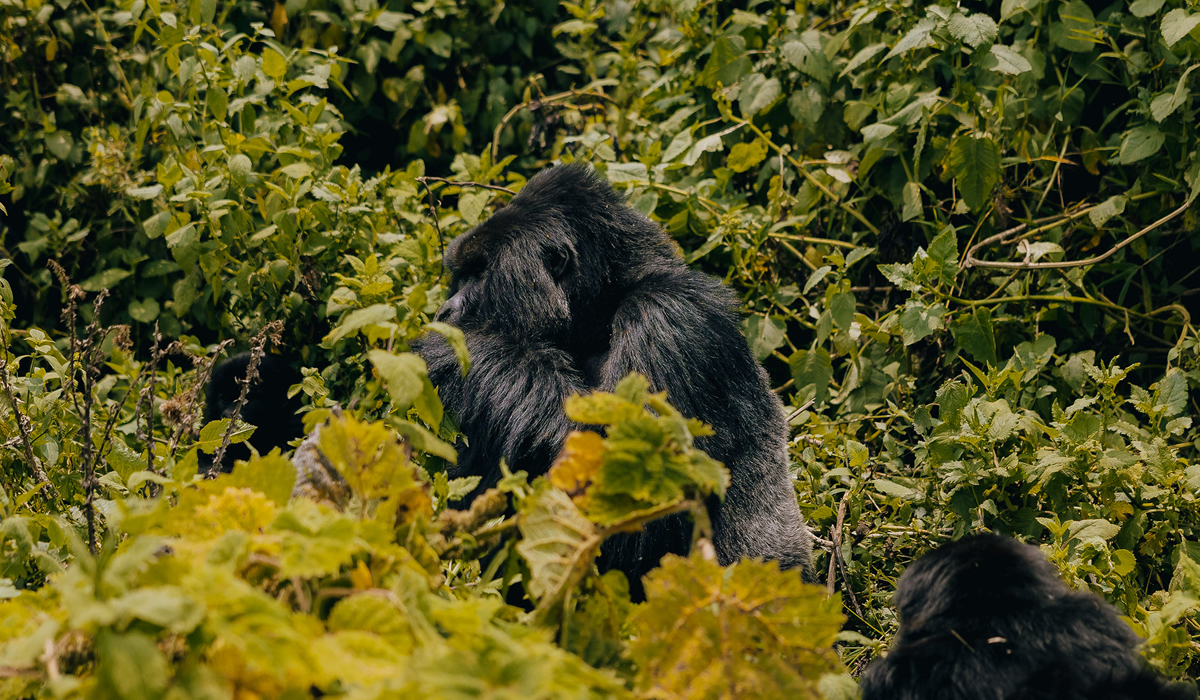
Gorilla Trekking is one of the most extraordinary wildlife experiences in Africa. For many tourists visiting East Africa, the chance to stand just a few metres away from a family of endangered mountain gorillas in their natural habitat is a life changing moment. Two destinations dominate the gorilla trekking landscape in Africa, Uganda and Rwanda.
Both countries protect populations of the rare Mountain Gorilla and offer well organised trekking experiences. However, tourists often wonder which destination provides the better safari experience. The answer depends on several factors including permit cost, accessibility, landscape, trekking difficulty, and the overall safari opportunities available.
This guide compares gorilla trekking in Uganda and Rwanda to help tourists decide which destination is best suited for their African adventure.
The Mountain Gorilla Habitat in East Africa
Mountain gorillas are among the rarest primates on Earth. They live only in a few protected areas within the Albertine Rift region of East Africa. Their populations are found in dense tropical forests at high altitudes where conservation efforts have helped the species slowly recover from the brink of extinction.
Gorilla trekking in Uganda takes place primarily in Bwindi Impenetrable National Park and Mgahinga Gorilla National Park. These parks contain a significant portion of the global mountain gorilla population.
In Rwanda, trekking occurs in Volcanoes National Park, a protected area known for its dramatic volcanic landscape and conservation history.
Both destinations provide incredible opportunities for tourists to observe gorillas in the wild under strict conservation guidelines.
Gorilla Permit Costs
One of the most significant differences between gorilla trekking in Uganda and Rwanda is the cost of permits.
In Uganda, permits issued by the Uganda Wildlife Authority cost approximately 800 USD per person for foreign non resident tourists. This permit allows visitors to spend one hour with a habituated gorilla family in either Bwindi Impenetrable National Park or Mgahinga Gorilla National Park.
In contrast, gorilla permits in Rwanda are issued by the Rwanda Development Board and currently cost around 1,500 USD per person.
Because of this major price difference, Uganda is widely considered the more affordable destination for gorilla trekking. For many tourists planning longer safaris or travelling with family, the lower permit cost in Uganda can significantly reduce the overall trip budget.
However, Rwanda’s higher price reflects its premium tourism positioning and easier accessibility.
Accessibility and Travel Time
Accessibility is another major factor when comparing gorilla trekking in Uganda and Rwanda.
Volcanoes National Park is located only about two to three hours from the capital city of Kigali. This short travel distance makes Rwanda particularly attractive for tourists with limited time. Some visitors even complete a gorilla trek within a single overnight stay in the region.
In Uganda, the main gorilla destination, Bwindi Impenetrable National Park, is located in the southwestern part of the country. Driving from Kampala or Entebbe International Airport can take eight to ten hours depending on the trekking sector.
However, tourists can shorten travel time by flying on domestic charter flights to airstrips near the park.
While Rwanda offers quicker access, many tourists enjoy Uganda’s longer scenic journey through rural landscapes, national parks, and local communities.
Gorilla Trekking Experience
When it comes to the actual encounter with mountain gorillas, both countries offer remarkable experiences that follow strict conservation guidelines.
Tourists are guided by professional rangers who track gorilla families in dense forest environments. Once the gorillas are located, visitors are allowed one hour to observe them quietly from a safe distance.
In Bwindi Impenetrable National Park, the forest is extremely dense and ancient, giving the trekking experience a true jungle adventure feel. The terrain can be steep and rugged, and the forest vegetation is thick, making each trek feel like an exploration into one of Africa’s last untouched rainforests.
Meanwhile, trekking in Volcanoes National Park often takes place on the slopes of volcanic mountains with bamboo forests and open vegetation. The trails are generally easier to navigate compared to the thick jungle environment of Bwindi.
Some tourists prefer Rwanda for its relatively smoother trekking terrain, while others enjoy the adventurous challenge of Uganda’s rainforest trails.
Number of Gorilla Families
The number of habituated gorilla families available for tourism also differs between the two countries.
Bwindi Impenetrable National Park hosts the largest number of habituated gorilla families in the world. This means more permits are available daily, increasing the chances of securing a trekking slot.
Uganda also offers trekking in Mgahinga Gorilla National Park, which adds another gorilla family that tourists can visit.
Rwanda’s Volcanoes National Park has fewer habituated families compared to Bwindi, but the trekking experience remains equally intimate and well organised.
For tourists booking last minute permits, Uganda generally offers better availability because of the larger number of gorilla groups.
Landscape and Scenic Beauty
Both destinations offer spectacular landscapes, but the scenery differs in unique ways.
Bwindi Impenetrable National Park is a vast tropical rainforest filled with towering trees, vines, waterfalls, and mist covered hills. The forest is incredibly biodiverse and home to many primate species, birds, and forest wildlife.
This ancient ecosystem provides one of the most authentic jungle environments in Africa.
On the other hand, Volcanoes National Park features dramatic volcanic peaks that dominate the skyline. Trekking often occurs along bamboo forests and open slopes with breathtaking views of the Virunga Mountains.
The volcanic scenery of Rwanda offers a very different but equally beautiful setting for gorilla encounters.
Additional Safari Experiences
Another important consideration is the variety of wildlife experiences tourists can combine with gorilla trekking.
Uganda is widely known as one of Africa’s most diverse safari destinations. Tourists can combine gorilla trekking with wildlife safaris in Queen Elizabeth National Park, famous for its tree climbing lions and large elephant populations.
Chimpanzee trekking in Kibale National Park is another popular activity that complements gorilla trekking perfectly.
Uganda also offers scenic boat cruises on the Kazinga Channel, bird watching in wetlands, and cultural experiences in rural communities.
While Rwanda also offers wildlife experiences such as chimpanzee trekking in Nyungwe Forest National Park and savannah safaris in Akagera National Park, the range of safari options is generally smaller compared to Uganda.
For tourists seeking a longer and more varied safari itinerary, Uganda often provides greater diversity.
Gorilla Habituation Experience
One unique activity available in Uganda is the gorilla habituation experience offered in the southern sectors of Bwindi Impenetrable National Park.
This program allows tourists to spend up to four hours with a semi habituated gorilla group while researchers and conservationists continue the process of gradually acclimating the animals to human presence.
The experience is more immersive than standard trekking and provides deeper insight into gorilla behaviour and conservation efforts.
Currently, Rwanda does not offer this extended habituation experience, making Uganda the only destination where tourists can participate in this special activity.
Accommodation Options
Both countries offer a wide range of accommodation options near their gorilla trekking parks.
In Uganda, lodges around Bwindi Impenetrable National Park range from luxury eco lodges to comfortable mid range camps and budget guesthouses. This diversity makes gorilla trekking accessible to tourists with different travel budgets.
Rwanda is known for its luxury tourism market, and many lodges near Volcanoes National Park are high end properties offering premium experiences.
While Rwanda provides exceptional luxury accommodations, Uganda offers a wider variety of options for different price levels.
Conservation Impact
Gorilla tourism in both countries plays a vital role in protecting the endangered Mountain Gorilla. Permit fees contribute to anti poaching patrols, habitat protection, and community development programs.
Both the Uganda Wildlife Authority and the Rwanda Development Board have implemented strong conservation strategies that have helped increase mountain gorilla populations over the years.
Tourists who participate in gorilla trekking therefore contribute directly to the survival of these incredible primates.
Which Destination Is Better?
Choosing between gorilla trekking in Uganda and Rwanda ultimately depends on a tourist’s travel priorities.
Uganda is often considered the better option for tourists looking for affordability, diverse safari experiences, and a deeper jungle trekking adventure. The lower permit costs and larger number of gorilla families make it an excellent choice for many safari itineraries.
Rwanda, on the other hand, appeals to tourists seeking convenience, shorter travel times, and high end luxury experiences near Volcanoes National Park.
In reality, both destinations offer extraordinary encounters with mountain gorillas and unforgettable wildlife experiences.
Gorilla trekking remains one of the most powerful wildlife adventures available anywhere in the world. Whether tourists choose the dense rainforest of Bwindi Impenetrable National Park or the volcanic slopes of Volcanoes National Park, the experience of observing mountain gorillas in the wild is deeply moving and unforgettable.
For many tourists, Uganda stands out as the more comprehensive safari destination due to its affordability, biodiversity, and variety of wildlife activities.
With careful planning and guidance from experienced safari specialists such as Verdant Safaris, tourists can enjoy a perfectly organised gorilla trekking adventure that showcases the best of East Africa’s wildlife and natural beauty.