

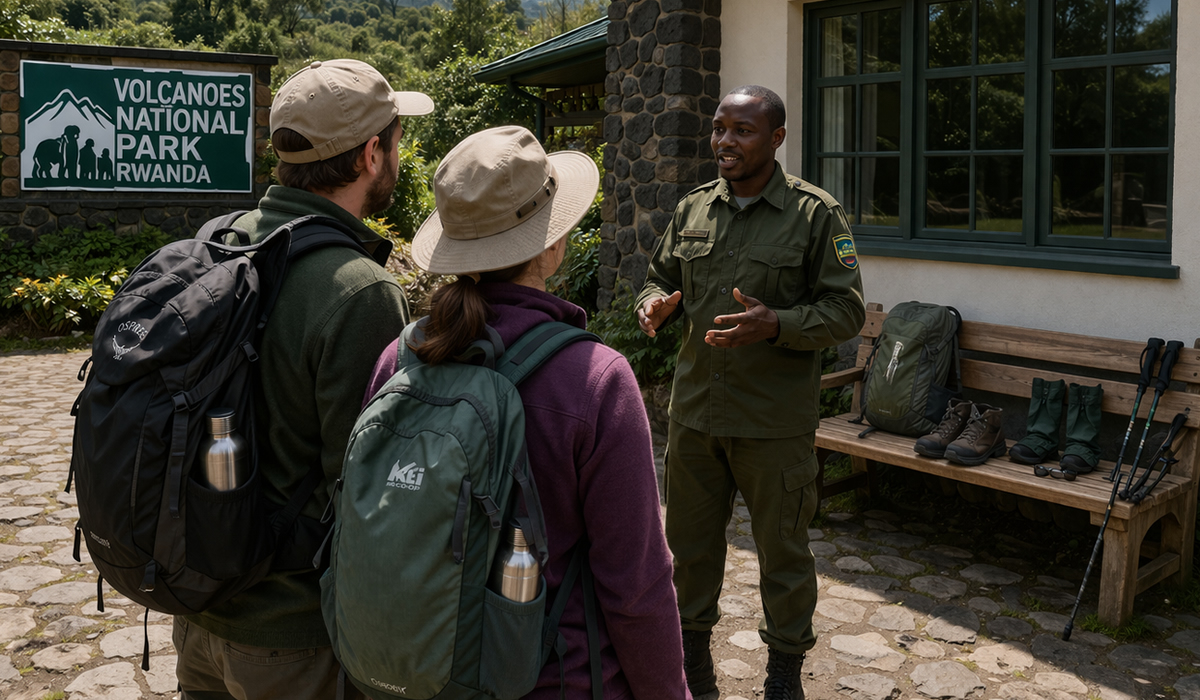
Gorilla Trekking in Rwanda is one of the most exhilarating experiences a tourist can have. The opportunity to see mountain gorillas in their natural habitat, amidst lush rainforests and volcanic landscapes, is a once-in-a-lifetime adventure. However, the success and comfort of this experience heavily depend on how well tourists prepare. Knowing what to carry and wear is essential not only for comfort but also for safety and the protection of the gorillas. Knowing what to carry and wear for Gorilla Trekking in Rwanda provides a comprehensive guide to help tourists get ready for a safari in Rwanda.
Understanding Gorilla Trekking
Before diving into what to bring, it’s important to understand what gorilla trekking entails. Most treks take place in Volcanoes National Park, where mountain gorillas roam freely in dense forests and hilly terrain. Trekking involves walking through muddy paths, climbing slopes, and navigating dense vegetation. Treks can last anywhere from two to six hours depending on the location of the gorilla family, making proper preparation crucial.
Tourists are guided by experienced park rangers who know the gorillas’ behavior and the forest terrain. These guides not only ensure safety but also provide fascinating insights into the gorillas’ social structure, habits, and the conservation efforts that protect them.
Essential Clothing for Gorilla Trekking
The right clothing can make a significant difference in comfort, mobility, and safety during the trek.
- Lightweight and Breathable Layers
Rwanda’s forests can be humid, and trekking can be physically demanding. Tourists should wear moisture-wicking clothing that allows for airflow and movement. Layering is recommended so that clothing can be adjusted depending on the temperature and level of exertion. A lightweight, long-sleeved shirt and long pants are ideal to protect against scratches, insect bites, and sun exposure. - Waterproof Jacket or Poncho
Rainfall is common in the mountainous regions of Rwanda. A waterproof jacket or poncho will keep tourists dry and comfortable, while also helping to maintain body warmth during misty or rainy conditions. Breathable waterproof gear is preferable, as heavy jackets can make trekking tiring. - Comfortable Hiking Shoes
A sturdy pair of hiking boots with good grip is essential for traversing uneven, muddy, and steep forest paths. Waterproof boots are ideal, as trails can be slippery. Tourists should break in new boots before the trek to prevent blisters and discomfort. - Gloves
Gloves can protect hands from thorny bushes and branches encountered along the trail. Lightweight, durable gloves provide safety without compromising grip or dexterity. - Hat and Sunglasses
A wide-brimmed hat or cap offers sun protection, especially in open areas before reaching the forest canopy. Sunglasses can protect eyes from glare and bright sunlight when trekking during sunny periods.
Items to Carry for Comfort and Safety
Beyond clothing, tourists should carry certain items to enhance comfort, safety, and enjoyment during the trek.
- Water and Snacks
Staying hydrated is crucial, particularly during long or strenuous treks. Carrying at least 1–2 liters of water is recommended. Lightweight snacks such as energy bars or nuts can provide an energy boost, as trekking can be physically demanding. - Walking Stick
A walking stick or trekking pole can aid balance on uneven terrain and reduce strain on knees and legs. Many tour operators provide walking sticks, but tourists can also bring their own for added comfort. - Insect Repellent
The forest is home to mosquitoes and other insects. Applying insect repellent before and during the trek helps prevent bites and discomfort. - Camera or Smartphone
Capturing memories of gorillas in the wild is a highlight of the experience. Tourists should carry a camera with a good zoom lens to photograph gorillas from a safe distance. However, flash photography is strictly prohibited to avoid disturbing the animals. Lightweight equipment is preferable for easy maneuverability on the trek. - Backpack
A small, lightweight backpack is essential for carrying water, snacks, extra clothing, and personal items. A waterproof bag or one with a rain cover is ideal to protect belongings from rain and humidity. - Personal Medications and First Aid
Tourists should carry personal medications, especially for conditions like allergies, headaches, or digestive issues. Basic first aid items such as band-aids, antiseptic wipes, and pain relievers are also helpful. Guides are trained for emergencies, but having personal supplies adds an extra layer of preparedness.
Health and Safety Precautions
Tourists’ health is an important consideration for gorilla trekking. Mountain gorillas are susceptible to human illnesses due to their close genetic similarity to humans. For this reason, tourists are advised to avoid trekking if they are sick, have respiratory infections, or have been in contact with contagious illnesses.
Masks are sometimes required to minimise the risk of transmitting diseases to gorillas. Tourists should follow all park guidelines and instructions provided by their guides, including maintaining a safe distance of at least seven meters from the gorillas.
Weather and Terrain Considerations
The terrain in Volcanoes National Park varies from steep volcanic slopes to muddy forest trails. Tourists should be prepared for challenging conditions by wearing sturdy footwear and appropriate clothing. Trekking during the rainy season may require extra precautions, such as waterproof shoes and ponchos.
Sun exposure can also be significant in open areas, making sunscreen, hats, and sunglasses important. Layering clothing helps tourists adapt to temperature changes, as higher elevations can be cooler than lowland areas.
Recommended Packing List
To summarize, tourists should consider packing the following for a gorilla trekking adventure in Rwanda:
- Lightweight, breathable clothing (long sleeves and pants)
- Waterproof jacket or poncho
- Sturdy, waterproof hiking boots
- Gloves for forest protection
- Wide-brimmed hat and sunglasses
- Small backpack with rain cover
- Water (1–2 liters) and light snacks
- Walking stick or trekking pole
- Insect repellent
- Camera or smartphone with zoom lens
- Personal medications and basic first aid items
- Face mask (if required)
Additional Tips for Tourists
- Train Physically – Even moderate treks can be strenuous, so light exercise or hiking before the trip can improve endurance.
- Pack Light – Carry only essential items to ensure mobility and comfort. Heavy packs can make trekking difficult.
- Respect the Gorillas – Avoid touching, feeding, or approaching gorillas closely. Follow guide instructions at all times.
- Travel Insurance – Consider insurance that covers trekking or adventure activities for added peace of mind.
- Arrive Early – Treks often start in the morning. Being ready on time ensures a smoother experience.
Why Preparation Enhances the Experience
Being properly prepared allows tourists to fully enjoy the beauty and excitement of gorilla trekking without unnecessary discomfort or risk. The right clothing keeps tourists protected from the elements, scratches, and insects, while essential items like water, snacks, and a walking stick improve endurance and safety. Following health guidelines and respecting gorilla behaviour ensures that the experience is not only memorable but also ethical and responsible.
Gorilla trekking in Rwanda is an extraordinary adventure that combines wildlife encounters, nature exploration, and physical activity. Proper preparation, including wearing suitable clothing and carrying the right items, enhances the experience for tourists while ensuring safety for both humans and gorillas. Lightweight, breathable clothing, waterproof gear, sturdy footwear, gloves, and a hat are essential, along with practical items like water, snacks, a walking stick, and a camera.
Following park regulations, maintaining good health, and respecting gorillas’ space are equally important to ensure a safe and ethical trek. With careful preparation, tourists can fully immerse themselves in the wonder of Rwanda’s forests and enjoy unforgettable moments observing mountain gorillas in their natural habitat.
Gorilla trekking is more than just a hike; it is an intimate encounter with one of the planet’s most remarkable species. By carrying and wearing the right items, tourists can make this once-in-a-lifetime experience comfortable, safe, and profoundly memorable, creating stories and memories that will last forever. Contact us to know more about What to Carry and Wear for Gorilla Trekking in Rwanda.