

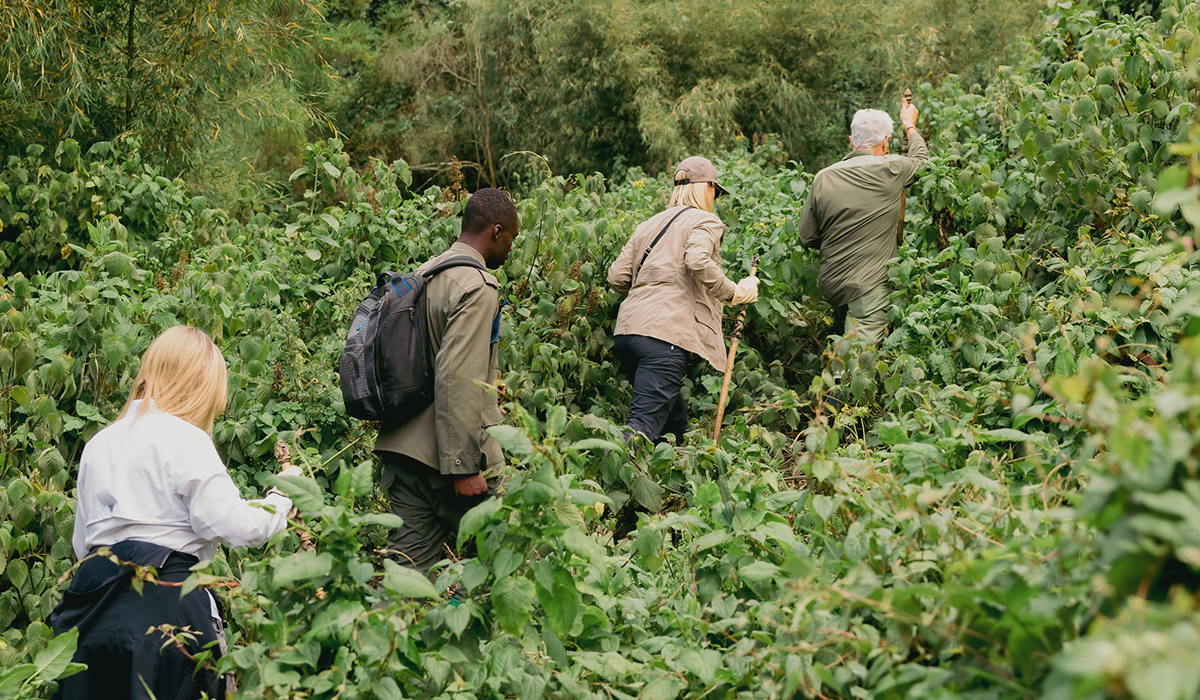
Rwanda is renowned worldwide for its mountain gorillas, making gorilla trekking one of the country’s most sought-after tourist experiences. Tourists from across the globe come to witness these gentle giants in their natural habitat, often describing the encounter as life-changing. However, the idea of trekking through dense forests to meet wildlife can raise questions about safety. Is Rwanda gorilla trekking safe? The answer is a resounding yes, thanks to meticulous conservation efforts, well-trained guides, and strict park regulations. In this article, we explore the safety measures in place, what tourists can expect, and tips for a secure and enjoyable gorilla trekking experience.
Understanding Gorilla Trekking
Gorilla trekking in Rwanda primarily takes place in Volcanoes National Park, located in the northwest of the country. The park is home to about one-third of the world’s remaining mountain gorillas. Trekking here involves guided hikes through dense forests, steep trails, and volcanic terrain to reach gorilla families. These treks vary in difficulty depending on the location of the gorilla group and the terrain.
While the activity may seem challenging, the experience is highly structured to ensure tourist safety. Each trek is led by trained park rangers and guides who are knowledgeable about gorilla behaviour, forest navigation, and first aid. These professionals are skilled in managing both wildlife encounters and any potential emergencies that may arise during the hike.
Park Regulations and Safety Measures
Rwanda’s gorilla trekking industry prioritises the safety of tourists and the protection of gorillas. Several strict regulations are enforced to ensure a safe and responsible trekking experience:
- Limited Group Sizes – Only up to eight tourists are allowed per gorilla group at a time. This restriction minimises disturbance to the gorillas and reduces the likelihood of accidents during the trek. Smaller groups also allow guides to maintain better control and provide personalised attention to each tourist.
- Mandatory Briefings – Before every trek, tourists attend a briefing led by park rangers. These sessions cover proper behaviour around gorillas, safety protocols, and what to do in case of emergencies. Tourists are informed about maintaining a safe distance, avoiding sudden movements, and refraining from touching or feeding the gorillas.
- Health Precautions – Mountain gorillas share about 98% of their DNA with humans, making them susceptible to human illnesses. Tourists are required to be in good health and maintain a minimum distance of seven meters from the gorillas. Anyone showing signs of illness is advised not to participate in the trek to protect both themselves and the gorillas.
- Professional Guides and Rangers – Each trekking group is accompanied by highly trained guides and armed rangers. Guides are knowledgeable about gorilla behaviour and forest terrain, ensuring tourists stay safe during the hike. Armed rangers provide additional security, protecting both tourists and gorillas from potential threats such as poachers.
- Emergency Preparedness – Trekking teams carry first aid kits and communication devices to respond to emergencies quickly. Park staff are trained in forest rescues, and there are established protocols for evacuating tourists if necessary. This level of preparedness adds a layer of security that makes the experience safe and reassuring for all visitors.
Physical Safety During the Trek
Gorilla trekking is a physically engaging activity that requires walking through uneven terrain, sometimes on steep slopes or muddy trails. Tourists are advised to wear appropriate hiking shoes, carry walking sticks, and dress in comfortable, weather-appropriate clothing. Guides assess each tourist’s fitness level and may adjust the trek accordingly, ensuring that everyone can participate safely.
For tourists who may find the trek physically demanding, options such as shorter hikes or spending time in less challenging parts of the park are available. These alternatives still provide opportunities to observe wildlife and enjoy the natural beauty of the forest without compromising safety.
Gorilla Behaviour and Tourist Safety
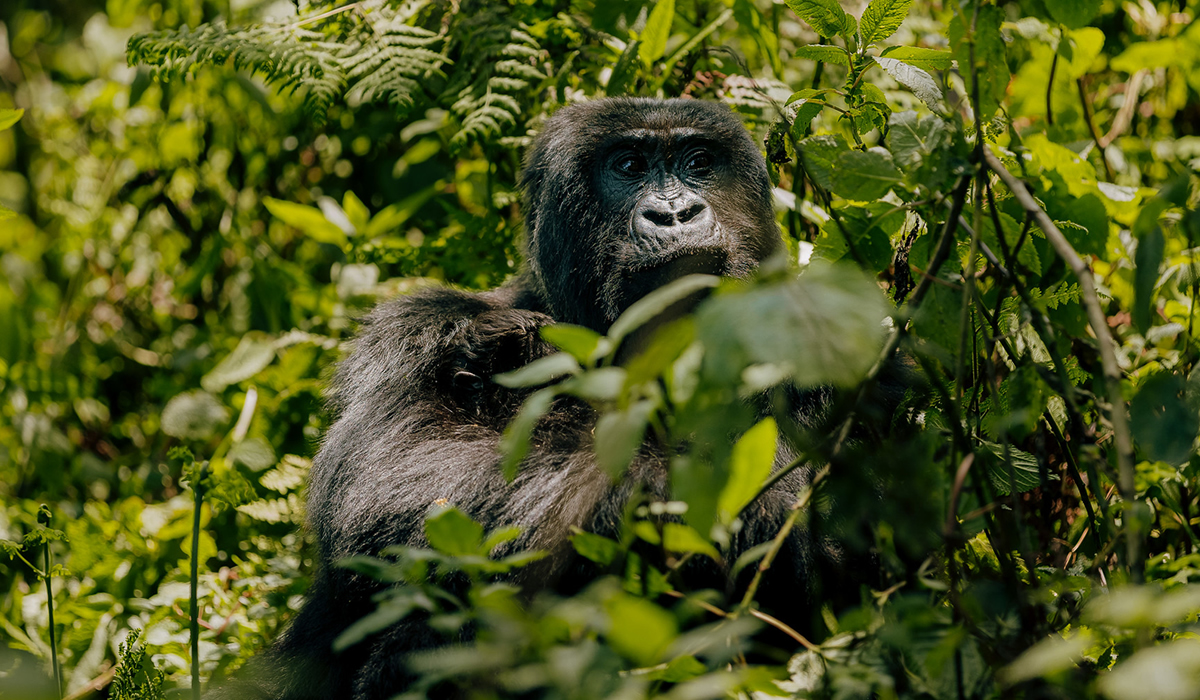
Mountain gorillas are naturally gentle animals, but like any wild species, they can react unpredictably if threatened. Rwanda’s park authorities emphasise maintaining respectful distances and following guide instructions. Tourists are instructed to remain calm, avoid direct eye contact, and move slowly if a gorilla approaches.
It’s important to understand that gorillas are habituated to human presence, meaning they are used to seeing tourists, but they are not domesticated. The structured interaction limited group size, short observation times, and distance guidelines ensures that gorillas feel secure and tourists remain safe. Aggressive behaviour is extremely rare when rules are followed, making the trekking experience both thrilling and safe.
Health Considerations
Health safety is a priority in Rwanda’s gorilla trekking experience. Because gorillas can contract human diseases, tourists are required to be in good health. Vaccinations, hand hygiene, and wearing masks are sometimes recommended, especially for respiratory protection. Tourists are advised to avoid trekking if they are sick or have recently been in contact with contagious illnesses.
Additionally, the physical nature of trekking means tourists should be in reasonably good health and prepared for moderate exertion. Staying hydrated, wearing sunscreen, and pacing oneself are simple measures that contribute to a safe and enjoyable trek.
Responsible Tourism and Safety
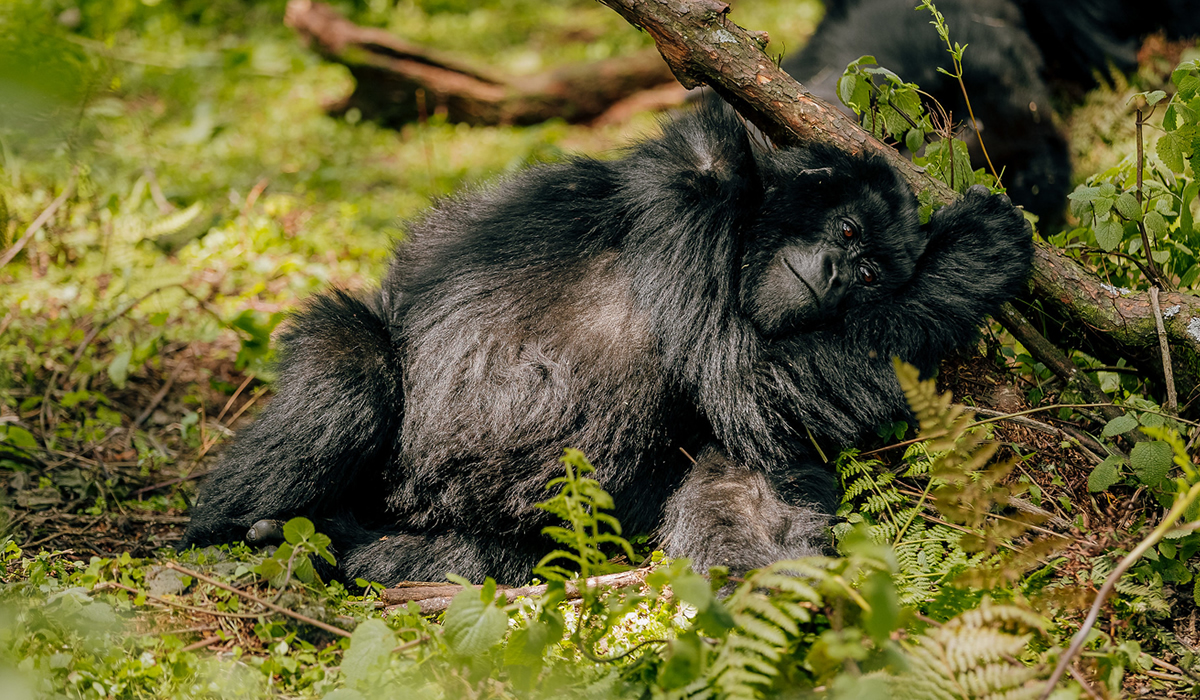
Safety in gorilla trekking is not just about physical protection; it’s also about ethical tourism practices. Tourists play a key role in ensuring the well-being of the gorillas by adhering to park rules, listening to guides, and minimising disturbances. Respecting wildlife, carrying out litter, and following instructions all contribute to a safer environment for both tourists and gorillas.
Rwanda has invested heavily in sustainable tourism. Revenues from gorilla trekking permits support conservation efforts, anti-poaching initiatives, and local communities. Tourists can take comfort in knowing that their participation directly contributes to the protection of these magnificent animals while ensuring their own safety.
Tourist Testimonials
Many tourists report feeling completely safe during their gorilla trekking experiences in Rwanda. Positive feedback often highlights the professionalism of guides, the structured approach to wildlife encounters, and the overall organisation of the trek. While the activity can be physically challenging, the emphasis on safety, guidance, and preparation ensures that tourists can focus on the awe-inspiring experience of observing gorillas in the wild.
Preparing for a Safe Gorilla Trek
Tourists planning a gorilla trekking adventure can take several steps to enhance safety and comfort:
- Book with Authorised Operators – Choose reputable tour companies or operators authorised by the Rwanda Development Board. Authorised guides follow safety protocols strictly and provide trained support.
- Physical Preparation – Engage in light exercise before the trek to improve stamina. Even moderate fitness can make the experience more enjoyable.
- Pack Wisely – Essentials include hiking boots, gloves, rain gear, a walking stick, water, snacks, and a small first aid kit.
- Follow Guide Instructions – Adherence to rules is crucial. Guides are trained to anticipate gorilla behaviour and forest hazards.
- Health Precautions – Carry any necessary medications, stay hydrated, and avoid trekking if unwell.
Beyond Safety – The Rewarding Experience
While safety is a top priority, gorilla trekking in Rwanda is also about creating unforgettable memories. The opportunity to spend an hour observing gorillas up close, seeing their playful interactions, and understanding their family dynamics is a deeply moving experience. Tourists often describe the encounter as humbling and transformative, knowing that they are witnessing one of the rarest species on Earth in their natural environment.
The sense of adventure, combined with Rwanda’s rigorous safety standards, ensures that the experience is thrilling yet secure. For tourists seeking an ethical, well-managed, and life-changing wildlife encounter, Rwanda’s gorilla trekking delivers on all fronts.
Rwanda gorilla trekking is a safe, well-organised, and highly rewarding experience for tourists. With strict park regulations, professional guides, health precautions, and carefully structured treks, safety is prioritised at every step. The combination of physical preparation, responsible tourism, and adherence to guidelines ensures that tourists can enjoy this extraordinary wildlife adventure with peace of mind.
From the dense forests of Volcanoes National Park to the intimate observation of mountain gorillas, Rwanda offers a rare and secure opportunity for tourists to connect with nature. The country’s commitment to conservation, sustainability, and tourist safety makes gorilla trekking not only safe but also one of the most enriching experiences in East Africa.
For anyone considering a visit, Rwanda provides the perfect blend of adventure, wildlife encounters, and secure travel. By following simple safety measures and respecting park regulations, tourists can immerse themselves in the wonder of gorilla trekking, creating memories that will last a lifetime.
Rwanda proves that one can enjoy thrilling wildlife experiences without compromising safety. For tourists seeking adventure, connection with nature, and ethical travel, gorilla trekking in Rwanda is a destination that delivers all of this safely and memorably.