

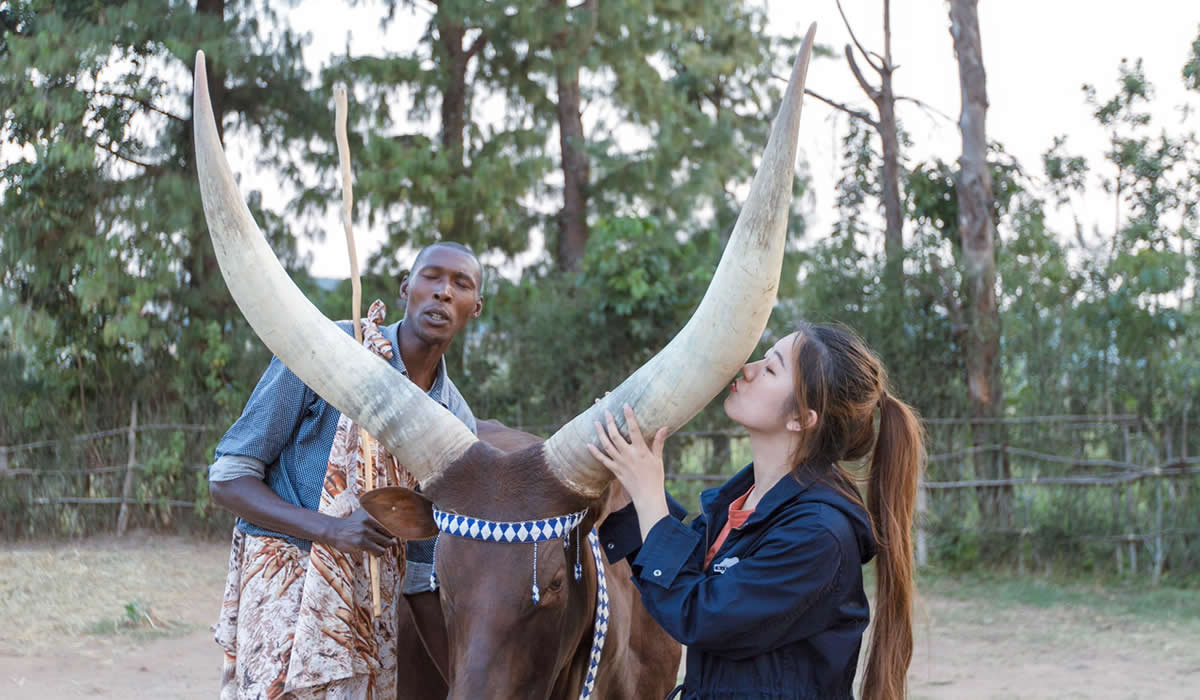
Rwanda is widely celebrated for its breathtaking landscapes and incredible wildlife. Yet, beyond its rolling hills, volcanic mountains, and serene lakes, Rwanda is a treasure trove of culture and heritage. For tourists seeking more than just sightseeing, the country offers rich and authentic cultural experiences that provide deep insights into the lives, traditions, and history of its people. From traditional music and dance to local crafts and community interactions, Rwanda offers tourists opportunities to connect with its vibrant culture in ways that are both meaningful and memorable. With Verdant Safaris, you will get Authentic Cultural Experience in Rwanda and memories to last a lifetime when you visit Rwanda on our well planned cultural tours.
Experiencing Traditional Rwandan Music and Dance
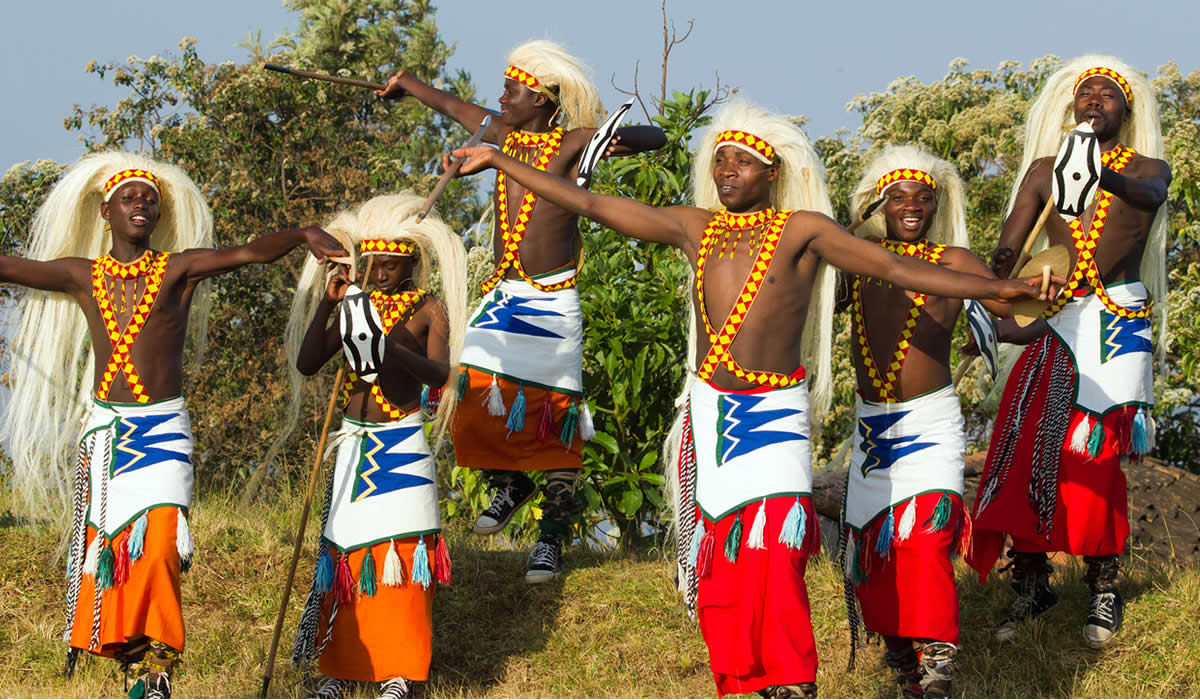
Music and dance are central to Rwandan culture, reflecting the country’s history, beliefs, and community values. Tourists visiting Rwanda have the opportunity to witness spectacular performances that combine energetic drumming, graceful movements, and storytelling. Traditional Rwandan dance, such as the Intore dance, is not only visually captivating but also carries historical significance. Often performed during ceremonies, festivals, and celebrations, Intore dancers wear elaborate costumes and perform choreographed routines that narrate stories of heroism, daily life, and cultural heritage.
Music in Rwanda is equally captivating, with traditional instruments like the Inanga (a stringed instrument), drums, and flutes forming the backbone of many performances. Tourists can attend cultural shows in cities like Kigali or explore rural villages where music and dance are integral to everyday life. Experiencing these performances firsthand provides tourists with an authentic sense of Rwandan identity and artistic expression.
Visiting Local Villages
One of the most immersive ways for tourists to engage with Rwandan culture is by visiting local villages. These visits allow tourists to step into the daily lives of Rwandan communities, interact with local families, and learn about traditional practices. Village experiences often include demonstrations of traditional farming, cooking, and craft-making. Tourists may help with simple activities such as planting crops, weaving baskets, or preparing local dishes, gaining hands-on insight into how rural Rwandans live and work.
Tourists also have the chance to participate in storytelling sessions, where elders share folk tales, proverbs, and historical accounts passed down through generations. These interactions offer a deeper understanding of Rwanda’s social fabric, values, and resilience, leaving tourists with memories that extend beyond conventional sightseeing.
Cultural Museums and Historical Sites
For tourists interested in Rwanda’s history and heritage, cultural museums and historical sites are essential destinations. The Kandt House Museum in Kigali offers a fascinating look into Rwanda’s natural history and colonial past, while the Ethnographic Museum in Huye showcases traditional artefacts, clothing, tools, and ceremonial objects from various Rwandan communities. These museums allow tourists to gain a nuanced understanding of the country’s evolution, from ancient traditions to modern developments.
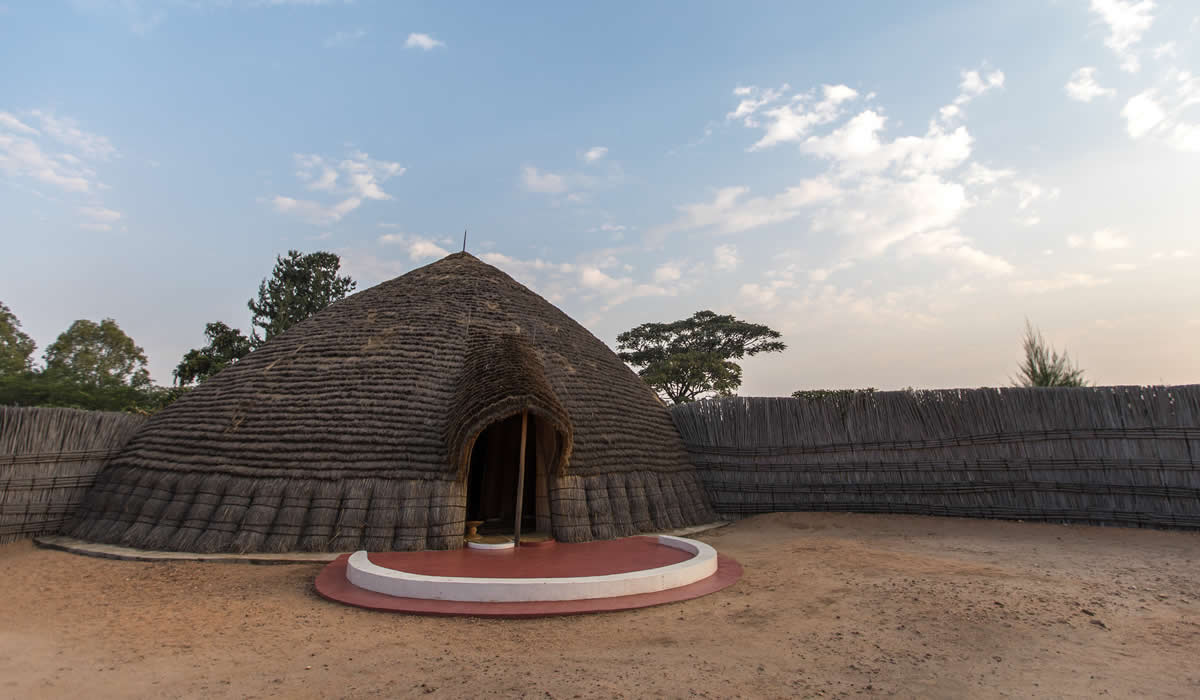
Historical sites, such as royal palaces and memorials, provide additional context. Visiting these locations enables tourists to appreciate Rwanda’s journey, including the resilience of its people in the face of challenges. Knowledgeable guides often accompany tourists, offering detailed explanations that enrich the experience and provide authentic perspectives on the nation’s heritage.
Exploring Rwandan Cuisine
Food is a powerful way to experience culture, and Rwandan cuisine offers tourists a flavourful journey into local traditions. Meals often feature staples such as plantains, beans, sweet potatoes, cassava, and fresh vegetables, complemented by grilled meats and locally sourced sauces. Each dish tells a story of the country’s agricultural practices, local resources, and culinary creativity.
Tourists can participate in cooking classes that demonstrate how traditional dishes are prepared, learning about local ingredients and techniques. Visiting markets also provides insight into Rwandan daily life, as tourists observe how fresh produce, spices, and handmade goods are traded. Sharing meals with local families or in community-run restaurants adds a personal dimension to cultural exploration, allowing tourists to connect with people in a meaningful way.
Participating in Community-Based Tourism
Community-based tourism (CBT) initiatives in Rwanda provide tourists with authentic cultural experiences while contributing to local development. These programs focus on sustainable engagement, where tourists support small-scale projects and initiatives that benefit the community. Examples include eco-lodges operated by local families, artisan workshops, and cultural tours led by community members.
By participating in CBT, tourists not only gain deeper insight into Rwandan culture but also create positive economic impacts. Buying handcrafted items, contributing to cultural projects, and engaging respectfully with locals ensures that tourism supports the preservation of traditions while fostering mutual understanding. These experiences often leave tourists with a sense of connection, knowing that their visit makes a meaningful difference.
Festivals and Traditional Ceremonies
Rwanda hosts a variety of festivals and ceremonies throughout the year that provide tourists with dynamic cultural experiences. Events like Kwita Izina, the annual gorilla naming ceremony, blend conservation with cultural celebration, highlighting Rwanda’s unique connection to both wildlife and tradition. Tourists attending such festivals witness performances, rituals, and community gatherings that are vibrant, authentic, and educational.
Other traditional ceremonies, such as weddings, harvest celebrations, and initiation rites, offer tourists a glimpse into the rich social and spiritual life of Rwandans. While some events may be private, respectful arrangements can allow tourists to observe and participate in appropriate ways, gaining an authentic perspective on customs and communal values.
Art and Handicrafts
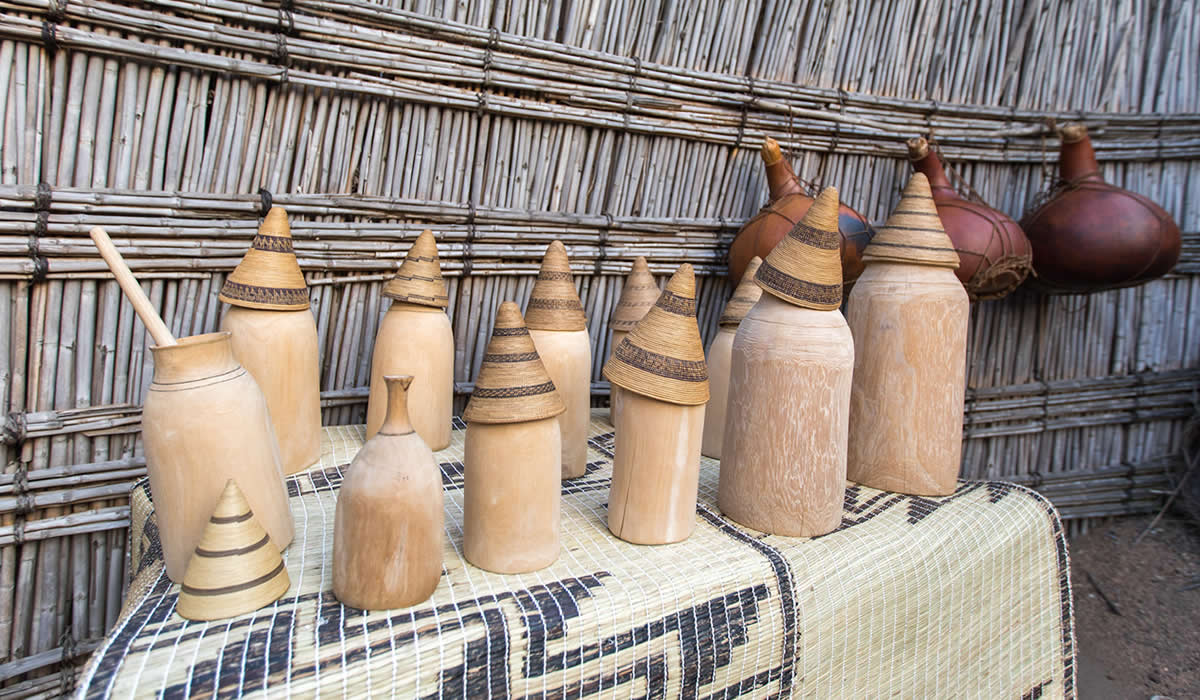
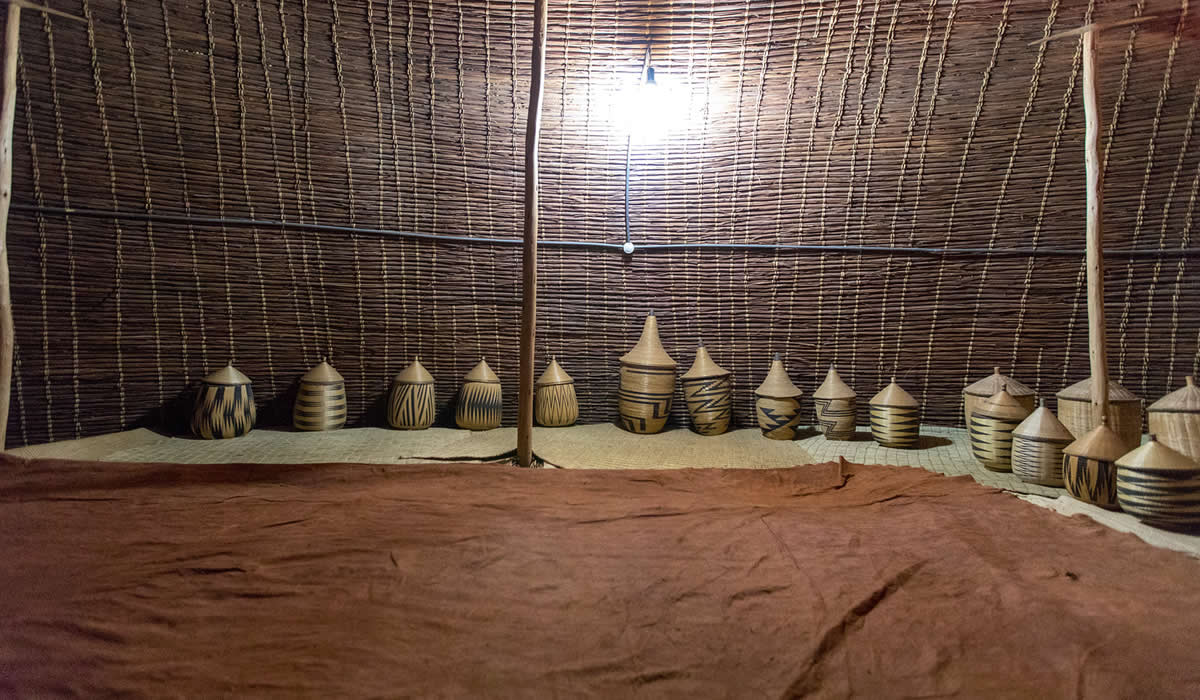
Rwanda has a thriving art and craft scene that reflects its cultural diversity. Tourists can explore local markets, workshops, and galleries to discover woven baskets, pottery, paintings, and jewellery crafted using traditional techniques. These artisanal products are not only beautiful souvenirs but also carry cultural significance, representing local stories, symbols, and heritage.
Workshops often allow tourists to engage directly with artisans, learning techniques such as basket weaving, beadwork, or pottery making. This hands-on experience deepens appreciation for the skill, patience, and creativity involved in Rwandan craftsmanship. Supporting local artisans also ensures that traditional arts continue to thrive, making cultural tourism sustainable and impactful.
Ethical Cultural Tourism
Authenticity in cultural tourism requires respect, sensitivity, and ethical engagement. Tourists are encouraged to approach cultural experiences with curiosity, humility, and openness, avoiding behaviours that could disrupt local practices or communities. Listening to guides, seeking permission before taking photographs, and participating respectfully in ceremonies or village activities are essential aspects of ethical cultural tourism.
Rwanda has developed a strong framework for responsible tourism, ensuring that both tourists and communities benefit from cultural exchanges. By following guidelines and engaging responsibly, tourists can enjoy meaningful experiences that are safe, authentic, and sustainable.
Combining Nature and Culture
One of Rwanda’s unique appeals is the seamless combination of cultural experiences with natural beauty. Many cultural tours are set against stunning landscapes, from rolling hills and verdant forests to sparkling lakes. For example, while visiting villages near Lake Kivu, tourists can enjoy lakeside activities alongside cultural immersion. Similarly, trekking to gorillas in Volcanoes National Park can be paired with visits to local communities that live in harmony with the forest environment.
This integration of nature and culture enhances the tourist experience, allowing visitors to appreciate Rwanda’s holistic beauty. It also emphasises the interconnectedness of environment, heritage, and community in shaping Rwandan identity.
Preparing for an Authentic Cultural Experience in Rwanda
Tourists seeking authentic Cultural Experience in Rwanda can take a few steps to ensure a meaningful and respectful visit.
- Research Destinations – Identify villages, cultural centers, and festivals that offer immersive experiences.
- Engage Local Guides – Guides provide insight, context, and access to experiences that might be inaccessible otherwise.
- Respect Local Customs – Dress modestly, ask before photographing people, and follow local etiquette.
- Support Local Economy – Purchase crafts, participate in community initiatives, and choose local accommodations.
- Stay Open and Curious – Authentic experiences often come from genuine curiosity, patience, and willingness to learn.
Rwanda offers tourists a rich tapestry of culture, history, and community life that is as captivating as its natural beauty. From traditional music and dance to village visits, culinary experiences, artisan workshops, and festivals, tourists have numerous opportunities to engage deeply with the country’s heritage. Community-based tourism ensures that these experiences are sustainable, ethical, and mutually beneficial, creating lasting impacts for both visitors and local communities.
Cultural Experience in Rwanda goes beyond sightseeing, it’s about connection, understanding, and appreciation. Tourists who engage respectfully with local people, participate in meaningful activities, and explore Rwanda’s traditions leave with more than memories; they leave with a profound understanding of the resilience, creativity, and warmth of the Rwandan people.
Whether it’s dancing with Intore performers, learning to weave traditional baskets, or sharing a meal with a village family, Cultural Experience in Rwanda offers depth, joy, and inspiration. For tourists seeking travel that enriches both the mind and the heart, an authentic cultural journey in Rwanda promises experiences that are unforgettable, enlightening, and genuinely transformative.